


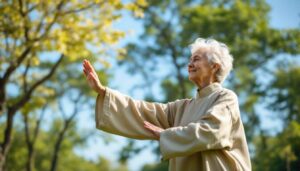

Staying physically active beyond seventy doesn’t necessarily require gruelling gym sessions or high-intensity workouts. Many older adults maintain remarkable fitness levels through subtle, consistent practices woven seamlessly into their daily routines. These individuals have discovered that sustainable wellness stems not from sporadic bursts of effort but from gentle, persistent habits that support both body and mind. Understanding these quiet strategies offers valuable insights for anyone seeking to age gracefully whilst preserving vitality and independence.
The benefits of a balanced diet
Prioritising whole foods over processed options
People over seventy who maintain their fitness without strenuous exercise consistently choose nutrient-dense whole foods as the foundation of their meals. They fill their plates with fresh vegetables, lean proteins, whole grains, and healthy fats whilst limiting processed items laden with sodium, sugar, and artificial additives. This approach provides sustained energy throughout the day without the crashes associated with refined carbohydrates and excessive sugar consumption.
These individuals understand that food serves as medicine for the ageing body. They incorporate:
- Leafy greens rich in vitamins K and C for bone health
- Fatty fish containing omega-3 fatty acids for cardiovascular support
- Berries packed with antioxidants to combat cellular damage
- Nuts and seeds offering essential minerals and healthy fats
- Legumes providing fibre and plant-based protein
Maintaining consistent meal patterns
Rather than following restrictive diets or irregular eating schedules, fit septuagenarians establish regular meal times that support their body’s natural rhythms. They typically consume three balanced meals daily, occasionally supplemented with small, nutritious snacks. This consistency helps regulate blood sugar levels, metabolism, and energy distribution throughout the day, preventing the fatigue and irritability that accompany erratic eating patterns.
Hydration also plays a crucial role in their dietary approach. They consciously drink adequate water throughout the day, recognising that thirst signals diminish with age yet the body’s need for fluids remains constant.
Nutrition forms just one pillar of their wellness strategy, complemented by another deceptively simple practice that keeps their bodies moving without strain.
The importance of daily walking
Building a non-negotiable walking routine
The most common thread amongst fit individuals over seventy is their unwavering commitment to daily walking. They don’t view walking as optional exercise but rather as an essential component of their day, comparable to eating or sleeping. Whether rain or shine, these individuals carve out time for at least thirty minutes of walking, often splitting this into shorter sessions if needed.
Their walking practice typically includes:
- Morning walks to energise the day and support circadian rhythms
- Post-meal strolls to aid digestion and regulate blood sugar
- Social walks with friends or partners for combined benefits
- Nature walks in parks or green spaces for mental restoration
- Purposeful errands on foot rather than driving short distances
Adapting walking intensity to individual capacity
These active seniors understand that consistency trumps intensity. They walk at a comfortable pace that allows conversation whilst still providing cardiovascular benefits. Some use walking poles for additional stability and upper body engagement, whilst others incorporate gentle inclines or varied terrain as their fitness permits. The key lies in regular movement rather than speed or distance records.
| Walking Duration | Approximate Steps | Calories Burned |
|---|---|---|
| 15 minutes | 1,500-2,000 | 50-70 |
| 30 minutes | 3,000-4,000 | 100-140 |
| 60 minutes | 6,000-8,000 | 200-280 |
Beyond physical movement, these individuals recognise that mental tranquillity contributes equally to overall wellness.
The practice of meditation and relaxation
Incorporating mindfulness into daily life
Fit septuagenarians frequently engage in meditation or mindfulness practices that calm the nervous system and reduce stress-related inflammation. These practices needn’t be elaborate or time-consuming; many dedicate just ten to fifteen minutes daily to quiet reflection, deep breathing, or guided meditation. Some prefer traditional seated meditation, whilst others find their mindful moments during gentle yoga, tai chi, or even whilst gardening.
The physiological benefits of regular relaxation practices include:
- Reduced cortisol levels and stress-related inflammation
- Improved sleep quality and duration
- Enhanced immune system function
- Better blood pressure regulation
- Increased emotional resilience and mental clarity
Creating restful routines and boundaries
These individuals also prioritise adequate rest and recovery by establishing healthy sleep schedules and respecting their body’s signals for downtime. They typically maintain consistent bedtimes, create calming evening routines, and ensure their sleeping environment supports quality rest. Rather than pushing through fatigue, they honour their need for restoration, understanding that recovery is when the body repairs and strengthens itself.
Mental wellness extends beyond solitary practices, flourishing through meaningful connections with others.
Socialising for a dynamic mind
Maintaining regular social connections
Active older adults understand that social engagement serves as exercise for the brain, keeping cognitive functions sharp and emotional wellbeing robust. They deliberately maintain friendships, participate in community groups, attend religious services, or join clubs aligned with their interests. These regular social interactions provide structure, purpose, and mental stimulation that complement their physical wellness practices.
Research consistently demonstrates that socially connected seniors experience:
- Lower rates of cognitive decline and dementia
- Reduced risk of depression and anxiety
- Stronger immune system responses
- Greater motivation to maintain healthy habits
- Enhanced sense of purpose and life satisfaction
Giving back through volunteering and mentoring
Many fit individuals over seventy find purpose through service to others, whether volunteering at local organisations, mentoring younger generations, or supporting community initiatives. This outward focus provides meaningful engagement whilst combating isolation and the self-absorption that can accompany ageing. The sense of contribution and relevance gained through helping others creates psychological benefits that translate into physical vitality.
Social connections naturally lead to shared activities that keep both mind and body engaged in enjoyable ways.
Engaging in creative and stimulating activities
Pursuing hobbies that challenge the mind
Fit septuagenarians regularly engage in mentally stimulating hobbies that require learning, problem-solving, or creative expression. Whether painting, playing musical instruments, learning languages, completing puzzles, or tending elaborate gardens, these activities maintain neural plasticity and cognitive reserve. They approach these pursuits with curiosity rather than perfectionism, finding joy in the process rather than fixating on outcomes.
Popular activities amongst active older adults include:
- Reading diverse literature and discussing books in clubs
- Learning new technologies or digital skills
- Crafting, knitting, or woodworking projects
- Playing strategic games like chess or bridge
- Attending lectures, courses, or cultural events
Balancing variety with consistency
These individuals recognise the importance of both routine and novelty in maintaining engagement. Whilst they establish consistent daily practices, they also introduce new challenges and experiences that prevent stagnation. This balance keeps their minds adaptable and their spirits curious, qualities that manifest in physical vitality and resilience.
The remarkable fitness observed in many people over seventy stems not from punishing exercise regimes but from thoughtful daily habits that honour the body’s changing needs. A balanced diet rich in whole foods, regular walking adapted to individual capacity, mindfulness practices that calm the nervous system, meaningful social connections, and mentally stimulating activities form an integrated approach to wellness. These quiet practices, maintained consistently over time, create cumulative benefits that far exceed sporadic intense efforts. By adopting even a few of these gentle habits, individuals of any age can cultivate sustainable vitality and graceful ageing.