



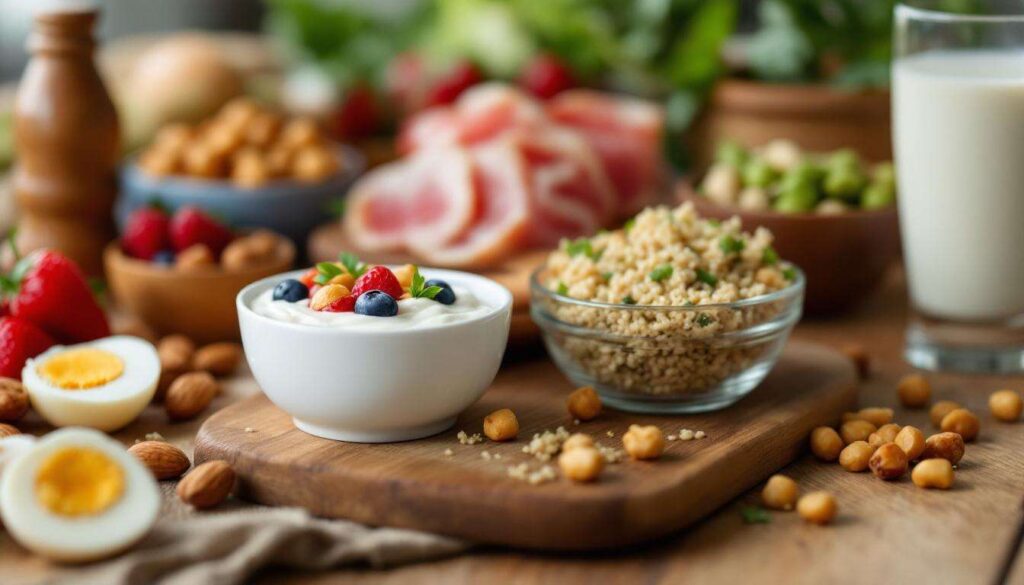
Cottage cheese has long been celebrated as a protein powerhouse, but it’s far from the only snack capable of delivering substantial amounts of this essential nutrient. With growing awareness of protein’s role in maintaining muscle mass, supporting metabolism and promoting satiety, many people are seeking diverse options to meet their daily requirements. Whether you’re looking for variety in your diet, have dietary restrictions, or simply want to explore new flavours, numerous snacks can match or even exceed the protein content found in cottage cheese. These alternatives offer not only comparable nutritional benefits but also exciting textures and tastes that can transform your snacking routine.
The benefits of protein-rich snacks
Supporting muscle health and recovery
Protein plays a crucial role in building and repairing muscle tissue, making it essential for anyone engaged in physical activity. When consumed as snacks between meals, protein helps maintain a steady supply of amino acids to the muscles throughout the day. This consistent availability supports recovery after exercise and prevents muscle breakdown during periods of fasting.
Enhancing satiety and weight management
One of the most valuable benefits of protein-rich snacks is their ability to promote feelings of fullness. Protein takes longer to digest than carbohydrates, which means it keeps hunger at bay for extended periods. This characteristic makes protein-dense snacks particularly useful for those managing their weight or trying to avoid overeating at main meals. The thermogenic effect of protein also means the body burns more calories digesting it compared to other macronutrients.
Stabilising blood sugar levels
Including protein in snacks helps prevent the rapid spikes and crashes in blood sugar that often occur with carbohydrate-heavy options. This stabilisation leads to more consistent energy levels throughout the day and reduces cravings for sugary foods. For individuals monitoring their glucose levels, protein-rich snacks represent a smart dietary choice that supports metabolic health.
Understanding these benefits makes it easier to appreciate why seeking alternatives to cottage cheese can enhance your nutritional strategy whilst maintaining similar advantages.
Jerky: a tasty alternative
Protein content and convenience
Jerky stands out as an exceptionally protein-dense snack, typically providing between 9 and 15 grams of protein per ounce, depending on the variety. This concentrated protein source requires no refrigeration, making it ideal for travel, office snacks or outdoor activities. The dehydration process removes moisture whilst preserving the nutritional content, resulting in a lightweight yet satisfying option.
Variety of options available
The jerky market has expanded significantly beyond traditional beef offerings. Today’s consumers can choose from numerous options:
- Turkey jerky, offering a leaner profile with comparable protein
- Salmon jerky, rich in omega-3 fatty acids alongside protein
- Pork jerky, providing a different flavour profile
- Plant-based jerky made from mushrooms or soya, catering to vegetarian preferences
Considerations when selecting jerky
Whilst jerky offers excellent protein content, it’s important to read labels carefully. Some varieties contain high levels of sodium or added sugars that can diminish their health benefits. Look for options with minimal ingredients, ideally just meat, salt and natural seasonings. The sodium content can vary dramatically between brands, so comparing nutritional information helps identify the healthiest choices.
For those seeking more complete snacking solutions that combine protein with other nutrients, the next option offers an ideal balance.
Trail mix: a complete snack
Balanced nutritional profile
Trail mix represents a versatile snack that combines protein, healthy fats and carbohydrates in one convenient package. A typical serving containing nuts, seeds and dried fruit can deliver 8 to 12 grams of protein whilst also providing fibre, vitamins and minerals. The combination of macronutrients makes trail mix particularly effective for sustained energy during long periods between meals.
Customising your mix
Creating homemade trail mix allows complete control over ingredients and portions. Consider these protein-rich components:
- Almonds, providing approximately 6 grams of protein per ounce
- Pumpkin seeds, offering around 7 grams of protein per ounce
- Cashews, contributing about 5 grams of protein per ounce
- Dried edamame, adding a substantial protein boost
- Dark chocolate chips for antioxidants and satisfaction
Portion control strategies
Whilst trail mix offers excellent nutrition, its calorie density requires mindful consumption. Pre-portioning servings into small containers or bags prevents overconsumption whilst maintaining convenience. A quarter-cup serving typically provides adequate protein and energy without excessive calories. The balance between enjoyment and moderation ensures trail mix remains a beneficial addition to your diet rather than a source of unwanted calories.
Moving from plant-based combinations to animal protein options reveals another convenient snacking solution.
Turkey roll-ups: a delicious idea
Simple preparation and high protein yield
Turkey roll-ups offer a straightforward approach to protein-rich snacking, with just a few slices of deli turkey providing 10 to 15 grams of protein. The preparation requires minimal effort: simply roll turkey slices around complementary fillings for a satisfying snack. This no-cook option proves particularly valuable for busy individuals seeking nutritious choices without extensive meal preparation.
Creative filling combinations
The versatility of turkey roll-ups allows endless customisation to suit personal preferences and nutritional goals. Popular filling options include:
- Cream cheese and cucumber for added crunch
- Avocado slices providing healthy fats
- Hummus and roasted peppers for Mediterranean flavour
- Cheese and mustard for a classic combination
- Spinach and tomatoes for extra vegetables
Quality considerations
Selecting high-quality turkey makes a significant difference in both nutrition and taste. Look for minimally processed options without added nitrates or excessive sodium. Organic or free-range turkey often provides superior flavour whilst avoiding unwanted additives. The quality of ingredients directly impacts the nutritional value and satisfaction derived from this simple snack.
Another dairy-based option offers similar protein content with additional health benefits worth exploring.
Greek yoghurt: a probiotic choice
Superior protein concentration
Greek yoghurt achieves its impressive protein content through a straining process that removes liquid whey, resulting in a thicker consistency and concentrated nutrients. A typical serving provides 15 to 20 grams of protein, matching or exceeding cottage cheese. This protein density makes Greek yoghurt an excellent choice for those seeking maximum nutritional value in a single serving.
Digestive health benefits
Beyond protein, Greek yoghurt contains live probiotic cultures that support digestive health and immune function. These beneficial bacteria help maintain a healthy gut microbiome, which research increasingly links to overall wellbeing. The combination of protein and probiotics creates a snack that nourishes both muscles and digestive system simultaneously.
Enhancing flavour and nutrition
| Topping | Additional Protein | Other Benefits |
|---|---|---|
| Almonds (1 oz) | 6g | Healthy fats, vitamin E |
| Chia seeds (1 tbsp) | 2g | Omega-3, fibre |
| Hemp seeds (1 tbsp) | 3g | Complete protein, minerals |
| Granola (1/4 cup) | 3g | Texture, whole grains |
These additions transform plain Greek yoghurt into a customised protein powerhouse whilst adding texture and flavour variety.
For those interested in plant-based alternatives with comparable protein levels, the following option provides an excellent solution.
Edamame: japanese-style snacking
Plant-based protein excellence
Edamame, or young soybeans, deliver approximately 17 grams of protein per 100-gram serving, making them one of the most protein-rich plant-based snacks available. Unlike many plant proteins, soya provides all nine essential amino acids, qualifying it as a complete protein source. This characteristic makes edamame particularly valuable for vegetarians and vegans seeking alternatives to animal-based protein.
Preparation methods and serving suggestions
Edamame’s versatility allows for various preparation styles suited to different preferences. The beans can be enjoyed:
- Steamed and lightly salted for traditional simplicity
- Roasted until crispy for a crunchy alternative
- Tossed with chilli flakes and garlic for spicy flavour
- Incorporated into salads for added protein
- Blended into hummus-style dips
Additional nutritional benefits
Beyond protein, edamame provides substantial fibre content, with approximately 8 grams per serving supporting digestive health and satiety. The beans also contain iron, calcium and vitamins that contribute to overall nutritional intake. The combination of protein and fibre creates a particularly satisfying snack that helps maintain stable energy levels and prevents overeating at subsequent meals.
Finding alternatives to cottage cheese needn’t mean sacrificing protein content or nutritional value. The options explored here demonstrate that diverse, flavourful snacks can deliver comparable or superior protein levels whilst offering unique benefits. From the convenience of jerky to the probiotic advantages of Greek yoghurt, each alternative brings distinct qualities to your dietary routine. Trail mix provides balanced nutrition with customisable ingredients, whilst turkey roll-ups offer quick preparation for busy schedules. Edamame stands out as an exceptional plant-based choice for those reducing animal protein consumption. By incorporating these varied options into your snacking habits, you can maintain adequate protein intake whilst enjoying greater diversity in taste and texture. The key lies in selecting quality ingredients, practising appropriate portion control and choosing options that align with your personal nutritional goals and preferences.