



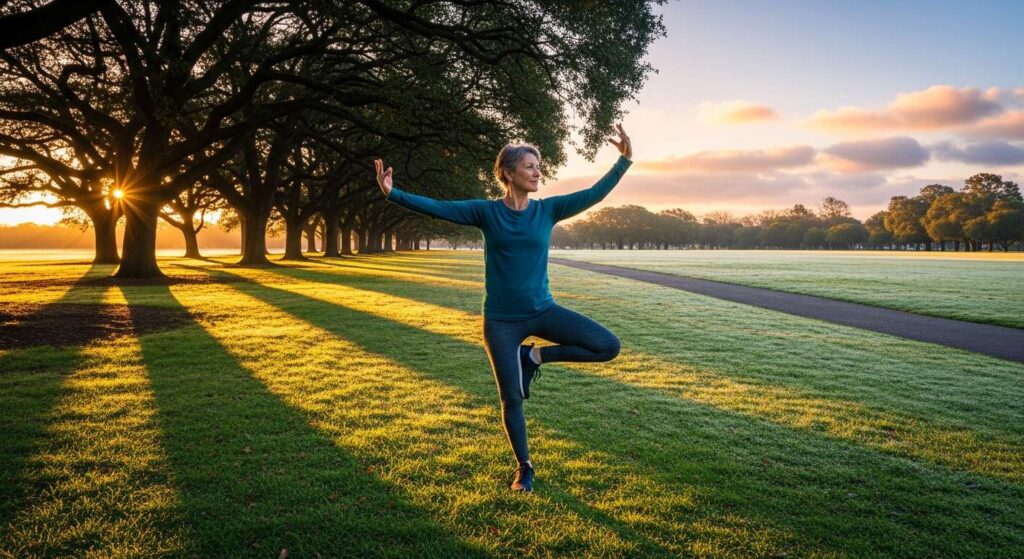
As we age, maintaining physical independence becomes increasingly vital, and leg strength plays a central role in preserving mobility and quality of life. After the age of 55, many individuals notice a gradual decline in muscle mass and power, a natural process known as sarcopenia. While traditional weight training has long been championed as the gold standard for building strength, it is not always accessible or suitable for everyone in this age group. Joint concerns, previous injuries, or simply a lack of familiarity with gym equipment can create barriers. Fortunately, targeted morning exercises offer a gentler yet highly effective alternative, capable of restoring leg strength more rapidly than conventional resistance training for many older adults.
The Challenges Of Muscle Strength After 55
Understanding sarcopenia and its effects
Sarcopenia refers to the progressive loss of skeletal muscle mass and function that typically begins around the fifth decade of life. This condition accelerates after 55, with research indicating that adults can lose between 3% and 8% of their muscle mass per decade. The consequences extend beyond aesthetics, directly impacting balance, coordination, and the ability to perform daily activities such as climbing stairs or rising from a seated position.
Factors contributing to muscle decline
Several interconnected factors drive this muscular deterioration:
- Hormonal changes, particularly decreased testosterone and growth hormone levels
- Reduced protein synthesis efficiency in ageing muscle tissue
- Decreased physical activity levels and sedentary lifestyle patterns
- Nutritional deficiencies, especially inadequate protein intake
- Chronic inflammation that interferes with muscle repair processes
Why traditional weight training may not suit everyone
Whilst weight training remains effective for building muscle, it presents specific challenges for older adults. Joint stress, particularly in the knees and hips, can exacerbate existing conditions such as arthritis. The learning curve associated with proper form and technique can feel intimidating, and access to appropriate equipment or facilities may be limited. Moreover, the recovery time required after intense resistance sessions lengthens with age, potentially leading to overtraining or injury if not carefully managed.
These obstacles highlight the need for alternative approaches that deliver comparable benefits whilst respecting the unique physiological considerations of mature adults. Morning-specific exercise routines emerge as a practical solution.
Why Favour Morning Exercises
Optimal hormonal environment for muscle activation
The morning hours offer a particularly advantageous hormonal landscape for muscle engagement. Cortisol levels naturally peak upon waking, which, contrary to popular belief, can be beneficial when harnessed correctly. This hormone enhances glucose availability and supports the mobilisation of energy stores, creating ideal conditions for muscular work. Additionally, testosterone levels, though diminished with age, remain relatively elevated in the early hours compared to later in the day.
Enhanced neuromuscular coordination
Morning exercise sessions prime the nervous system for optimal function throughout the day. When performed consistently, these routines improve the communication pathways between the brain and muscles, resulting in better coordination, faster reaction times, and reduced fall risk. This neuromuscular activation proves especially valuable for older adults, as it directly addresses one of the primary concerns associated with ageing: balance instability.
Establishing sustainable habits
Practical advantages also favour morning routines:
- Fewer scheduling conflicts and interruptions compared to later in the day
- Increased likelihood of consistency, as willpower reserves are highest upon waking
- Improved sleep quality when exercise occurs early rather than close to bedtime
- Enhanced metabolic rate throughout the day following morning activity
These combined physiological and practical benefits create a compelling case for prioritising leg-strengthening exercises in the morning. The specific movements selected for this routine build upon these advantages.
Muscle Awakening Exercise: Repeated Flexion
The mechanics of chair squats
Chair squats represent a fundamental movement pattern that engages multiple muscle groups simultaneously. This exercise involves standing in front of a sturdy chair, lowering the body until the buttocks lightly touch the seat, then rising back to standing. The chair provides both a safety mechanism and a consistent depth marker, ensuring proper form whilst reducing anxiety about losing balance.
Muscles targeted and functional benefits
This movement primarily activates the quadriceps, gluteal muscles, and hamstrings, whilst also engaging the core stabilisers. The functional carryover to daily life is immediate: the same muscle recruitment pattern used in chair squats directly translates to rising from sofas, toilet seats, and car seats. This specificity makes it exceptionally valuable for maintaining independence.
Progressive implementation strategy
| Week | Repetitions | Sets | Modification |
|---|---|---|---|
| 1-2 | 8-10 | 2 | Full chair contact |
| 3-4 | 10-12 | 2-3 | Hover above chair |
| 5-6 | 12-15 | 3 | Slower tempo |
| 7+ | 15-20 | 3 | Pause at bottom |
Common mistakes to avoid
Several technical errors can diminish effectiveness or increase injury risk. Allowing the knees to collapse inwards compromises joint alignment and reduces muscle activation. Rushing through repetitions sacrifices control and muscle engagement. Leaning excessively forward shifts load away from the legs and onto the lower back. Maintaining awareness of these pitfalls ensures optimal results.
Once proficiency develops with chair squats, complementary exercises further enhance lower body strength and stability.
Strengthening Legs With The Pelvic Bridge
Executing the bridge with proper form
The pelvic bridge begins from a supine position with knees bent and feet flat on the floor, hip-width apart. The movement involves pressing through the heels to lift the hips towards the ceiling, creating a straight line from shoulders to knees. The position is held briefly before controlled lowering. This exercise can be performed on a yoga mat or carpeted surface for comfort.
Posterior chain activation
Unlike many leg exercises that emphasise the front of the thigh, the bridge specifically targets the posterior chain: the gluteal muscles, hamstrings, and lower back extensors. This balance is crucial, as modern sedentary lifestyles often lead to underdeveloped posterior muscles and overdominant anterior muscles, creating imbalances that affect posture and gait.
Variations for progressive challenge
As strength improves, several modifications increase difficulty:
- Single-leg bridges, where one foot lifts off the ground whilst the other supports the movement
- Extended hold times at the top position, increasing from 3 seconds to 10 seconds or more
- Elevated foot position, placing feet on a low step or cushion
- Marching bridges, alternately lifting each foot whilst maintaining hip elevation
Integration with breathing patterns
Coordinating breath with movement enhances both core engagement and exercise effectiveness. Exhaling during the lifting phase activates deep abdominal muscles, whilst inhaling during the lowering phase maintains muscular control. This rhythmic breathing also promotes relaxation and reduces unnecessary tension in the neck and shoulders.
Whilst the bridge addresses the posterior leg muscles, the next exercise focuses on a frequently overlooked yet essential component of lower leg strength.
The Positive Impact Of Heel Raises
Calf muscle importance for mobility
The calf muscles, comprising the gastrocnemius and soleus, serve as the engine for walking and maintaining balance. These muscles generate the push-off force required for each step and continuously make micro-adjustments to keep the body upright. Weakness in this area directly correlates with shuffling gait patterns and increased fall risk, making calf strengthening a priority for older adults.
Proper heel raise technique
Standing heel raises involve rising onto the balls of the feet whilst keeping the body aligned and balanced. For safety, performing this exercise near a wall or sturdy counter allows for light fingertip support without relying heavily on the arms. The movement should be controlled in both directions, with particular attention to the lowering phase, which builds eccentric strength.
Frequency and volume recommendations
| Experience Level | Daily Repetitions | Hold Duration | Weekly Frequency |
|---|---|---|---|
| Beginner | 15-20 | 1-2 seconds | 5-7 days |
| Intermediate | 25-30 | 2-3 seconds | 6-7 days |
| Advanced | 30-40 | 3-5 seconds | Daily |
Addressing balance concerns
For individuals with significant balance challenges, seated heel raises offer a modified approach. Whilst seated, lifting the heels off the floor still engages the calf muscles, albeit with reduced load. This variation allows strength building without the anxiety associated with standing balance requirements, creating a stepping stone towards the standing version.
These three exercises form a solid foundation, yet maximising results requires understanding how to combine and vary movements strategically.
Maximising Benefits Through Variety Of Movements
The principle of muscle confusion
Muscles adapt remarkably quickly to repeated stimuli, a phenomenon that can lead to plateaus in strength gains. Introducing variation prevents this adaptation by challenging muscles from different angles and through different ranges of motion. This does not require complex equipment or movements; simple modifications to existing exercises suffice.
Creating a balanced weekly routine
A comprehensive approach alternates focus areas whilst allowing adequate recovery:
- Monday and Thursday: emphasis on chair squats with higher repetitions
- Tuesday and Friday: focus on pelvic bridges with longer holds
- Wednesday and Saturday: prioritise heel raises with varied tempos
- Sunday: active recovery with gentle walking or stretching
Incorporating additional supportive movements
Seated knee lifts, mentioned in the context, complement the primary three exercises by targeting the hip flexors and improving knee range of motion. Alternately lifting each knee towards the chest whilst seated activates muscles essential for stair climbing and stepping over obstacles. Seated leg extensions, performed by straightening one leg at a time from a seated position, specifically strengthen the quadriceps without compressive joint forces.
Monitoring progress and adjusting intensity
Objective measurements help track improvement and inform programme adjustments. Recording the number of repetitions completed before fatigue, the duration of held positions, and subjective difficulty ratings provides valuable feedback. Additionally, functional assessments such as timed chair rise tests or walking speed measurements demonstrate real-world strength gains.
Maintaining leg strength after 55 requires commitment, but the exercises outlined provide an accessible and effective pathway. Chair squats build foundational lower body power whilst respecting joint limitations. Pelvic bridges address often-neglected posterior muscles crucial for posture and movement. Heel raises strengthen calves essential for walking and balance. When combined strategically with variety and progressive challenge, these morning movements restore leg strength more rapidly than traditional weight training for many older adults. The key lies not in the complexity of the routine but in the consistency of practice, transforming these simple exercises into powerful tools for maintaining independence and vitality throughout the later decades of life.