



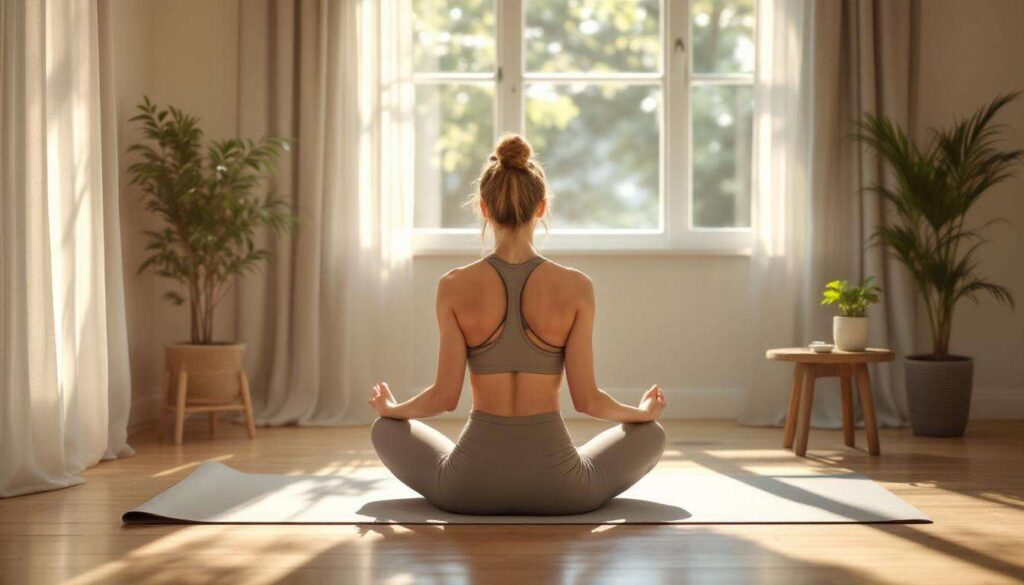
Rolling out of bed and into a focused morning routine can transform the quality of your entire day. A brief, targeted core workout inspired by Pilates principles offers a powerful way to awaken both body and mind before the household stirs. This approach requires minimal time, no specialised equipment, and delivers tangible results that extend far beyond physical fitness. With just ten minutes and a comfortable mat, you can activate deep stabilising muscles, improve posture, and cultivate the mental clarity needed to navigate daily challenges with greater ease and confidence.
The benefits of Pilates on waking
Activation of deep core muscles
Pilates targets the transverse abdominis, the deepest layer of abdominal muscles that acts as a natural corset for the spine. Engaging these muscles first thing in the morning establishes a foundation of stability that supports every movement throughout the day. Unlike traditional crunches that focus on superficial muscles, Pilates emphasises controlled, precise movements that recruit stabilisers often neglected in conventional exercise routines.
Enhanced circulation and energy levels
Morning Pilates sessions stimulate blood flow to muscles and organs, delivering oxygen and nutrients that combat the sluggishness many experience upon waking. The deliberate breathing patterns integral to Pilates practice further oxygenate the body, creating a natural energy boost without reliance on caffeine. This combination of movement and breath work activates the nervous system in a balanced way, promoting alertness whilst maintaining a sense of calm focus.
Improved posture from the start
Many people begin their day with postural imbalances carried over from sleep positions or previous day’s activities. A morning Pilates routine addresses these issues by:
- Lengthening tight hip flexors and chest muscles
- Strengthening the muscles that support proper spinal alignment
- Increasing awareness of body positioning throughout daily activities
- Reducing the likelihood of compensatory movement patterns that lead to discomfort
These physical benefits naturally lead to questions about practical implementation, particularly regarding time constraints that often derail morning intentions.
Why choose a 10-minute express session
Sustainability over intensity
The greatest obstacle to maintaining any fitness routine is the perception that meaningful results require substantial time commitments. A 10-minute session removes this barrier entirely, making consistency achievable even during the busiest periods. Research consistently demonstrates that brief, regular exercise sessions produce superior long-term outcomes compared to sporadic longer workouts, primarily because adherence remains high when time demands feel manageable.
Optimal timing for habit formation
Morning routines benefit from reduced decision fatigue and fewer competing demands. By completing your core workout before others wake, you eliminate common interruptions and establish a non-negotiable personal ritual. This timing also leverages the psychological advantage of accomplishment early in the day, creating momentum that influences subsequent choices regarding nutrition, activity, and stress management.
Efficiency without compromise
| Session duration | Exercises included | Rounds completed | Total active time |
|---|---|---|---|
| 10 minutes | 5 core movements | 2 full circuits | Approximately 8 minutes |
This structure allows for adequate muscle engagement whilst incorporating essential rest periods that prevent fatigue and maintain form quality. The circuit format keeps the session dynamic and mentally engaging, addressing the full spectrum of core function including flexion, extension, rotation, and anti-rotation stability.
Understanding the rationale behind brief sessions naturally raises questions about which specific movements deliver the greatest return on this limited time investment.
The exercises to include in your routine
Bird dog for stability and coordination
Begin on hands and knees with a neutral spine. Simultaneously extend the left arm forward and right leg back, creating a straight line from fingertips to toes. The challenge lies not in the extension itself but in maintaining spinal stability whilst moving opposite limbs. Hold for two seconds before returning to the starting position, then alternate sides. This exercise trains the core to resist rotation and maintain alignment during asymmetrical movements, a skill directly applicable to walking, running, and reaching activities.
Plank for comprehensive engagement
From the hands-and-knees position, extend both legs back to create a straight line from head to heels. Distribute weight evenly between hands and toes whilst engaging the abdominals to prevent the hips from sagging or piking upward. The plank position requires simultaneous activation of:
- Anterior core muscles to prevent lumbar extension
- Gluteal muscles to maintain hip alignment
- Shoulder stabilisers to support upper body weight
- Quadriceps to keep legs active and engaged
Bridge for posterior chain activation
Lie on your back with knees bent and feet flat on the mat, positioned hip-width apart. Press through the heels to lift the hips, creating a straight line from knees to shoulders. This movement targets the glutes and hamstrings whilst requiring the core to maintain spinal alignment. Lower with control, articulating through the spine one vertebra at a time. The bridge addresses the common imbalance between overactive hip flexors and underactive hip extensors, a pattern exacerbated by prolonged sitting.
Side plank for lateral stability
From a side-lying position, prop yourself up on one forearm with the elbow directly beneath the shoulder. Stack the feet or stagger them for modified support, then lift the hips to create a straight line from head to feet. This exercise challenges the lateral core muscles, including the obliques and quadratus lumborum, which stabilise the spine during single-leg activities and prevent unwanted lateral flexion during daily movements.
Cat-cow stretch for spinal mobility
Return to hands and knees. Inhale whilst dropping the belly and lifting the chest and tailbone toward the ceiling. Exhale whilst rounding the spine, tucking the chin and tailbone under. This rhythmic movement promotes spinal flexibility and serves as both a warm-up and active recovery between more demanding exercises. The coordinated breathing pattern reinforces the mind-body connection central to Pilates practice.
Selecting appropriate exercises represents only part of the equation; execution quality determines whether these movements deliver their intended benefits.
Tips for maximising the effectiveness of your session
Prioritise breath coordination
Pilates distinguishes itself through the integration of specific breathing patterns with movement. Inhale through the nose to prepare for an exercise, then exhale through the mouth during the exertion phase. This approach ensures adequate oxygen delivery whilst engaging the deep abdominal muscles more effectively than breath-holding. Consistent breath rhythm also prevents the blood pressure spikes associated with straining and maintains a meditative quality that enhances mental focus.
Maintain quality over quantity
The 40-second work intervals may feel brief, but they should be filled with controlled, deliberate movements rather than rushed repetitions. Focus on:
- Maintaining neutral spinal alignment throughout each exercise
- Moving from the core rather than relying on momentum
- Keeping shoulders relaxed and away from the ears
- Distributing effort evenly rather than compensating with stronger muscle groups
Modify according to current capacity
Effective practice requires honest assessment of present abilities rather than aspirational targets. Reduce leverage by bending knees during planks, decrease range of motion in bridges, or shorten hold times in side planks. These modifications allow proper muscle recruitment patterns to develop before progressing to more challenging variations. Pushing beyond current capacity typically results in compensation strategies that undermine the exercise’s intended benefits.
Create a consistent environment
| Environmental factor | Recommendation | Benefit |
|---|---|---|
| Location | Same spot daily | Reduces decision fatigue |
| Mat placement | Set out the night before | Eliminates morning barriers |
| Timing | Immediately upon waking | Prevents schedule conflicts |
These seemingly minor details significantly influence adherence by transforming the workout from a decision requiring willpower into an automatic sequence requiring minimal mental energy.
The immediate physical sensations during and after the workout represent only the beginning of how this practice influences the hours that follow.
The positive impact on your day
Sustained energy without stimulants
The combination of movement and controlled breathing creates a physiological state characterised by alertness without anxiety. Unlike caffeine, which can produce jittery energy followed by crashes, morning Pilates generates stable, sustained vitality by optimising circulation and activating the body’s natural arousal systems. Many practitioners report reduced dependence on multiple cups of coffee when maintaining a consistent morning movement practice.
Enhanced mental clarity and focus
Physical exercise increases blood flow to the brain, delivering oxygen and nutrients that support cognitive function. The concentration required to execute Pilates movements with proper form creates a meditative state that clears mental clutter accumulated during sleep. This mental reset proves particularly valuable before engaging with emails, news, or other potentially stressful information sources.
Improved stress resilience
Beginning the day with a completed personal goal establishes a sense of control and accomplishment that buffers against subsequent challenges. The physical practice of maintaining stability during challenging positions translates metaphorically to emotional regulation throughout the day. Additionally, the parasympathetic nervous system activation during cool-down movements establishes a baseline calm that moderates stress responses to unexpected demands.
Better movement patterns throughout daily activities
The body awareness cultivated during morning Pilates carries over into routine tasks. Practitioners often notice improvements in:
- Posture whilst sitting at desks or driving
- Movement efficiency when lifting objects or climbing stairs
- Balance and coordination during recreational activities
- Reduced muscle tension in the neck, shoulders, and lower back
These cumulative benefits create compelling motivation for continued practice, though establishing the initial habit requires strategic planning.
Integrate Pilates into your daily routine
Start with micro-commitments
Rather than immediately committing to daily practice, begin with three sessions per week on predetermined days. This approach allows the body to adapt whilst building confidence in your ability to maintain the routine. Once three-times-weekly practice feels effortless, gradually increase frequency. Consistency matters more than perfection, and missed sessions should be viewed as temporary deviations rather than failures requiring abandonment of the entire routine.
Track progress through sensation rather than metrics
Whilst external measures like waist circumference or plank hold times can provide feedback, internal awareness offers more immediate and meaningful information. Notice changes in how your body feels during exercises, improvements in breath control, or enhanced ease in maintaining proper alignment. These qualitative markers sustain motivation more effectively than numerical targets, which can create frustration during inevitable plateaus.
Prepare your environment the night before
Reduce morning friction by establishing an evening routine that supports the next day’s workout. Place your mat in your designated exercise space, set out comfortable clothing, and programme any timing devices you use. Consider this preparation part of the practice itself rather than a separate task, reinforcing your commitment through concrete action.
A brief morning investment in core strength and stability ripples through every aspect of daily life, from physical comfort during routine tasks to mental resilience when facing challenges. The ten-minute format removes common barriers whilst delivering comprehensive benefits that extend far beyond the mat. By prioritising this practice before other demands arise, you claim time for personal well-being and establish a foundation of strength that supports everything that follows. The simplicity of the routine ensures sustainability, whilst the depth of Pilates principles guarantees continued discovery and refinement regardless of experience level. Begin tomorrow morning, and experience how a small commitment creates substantial transformation.