



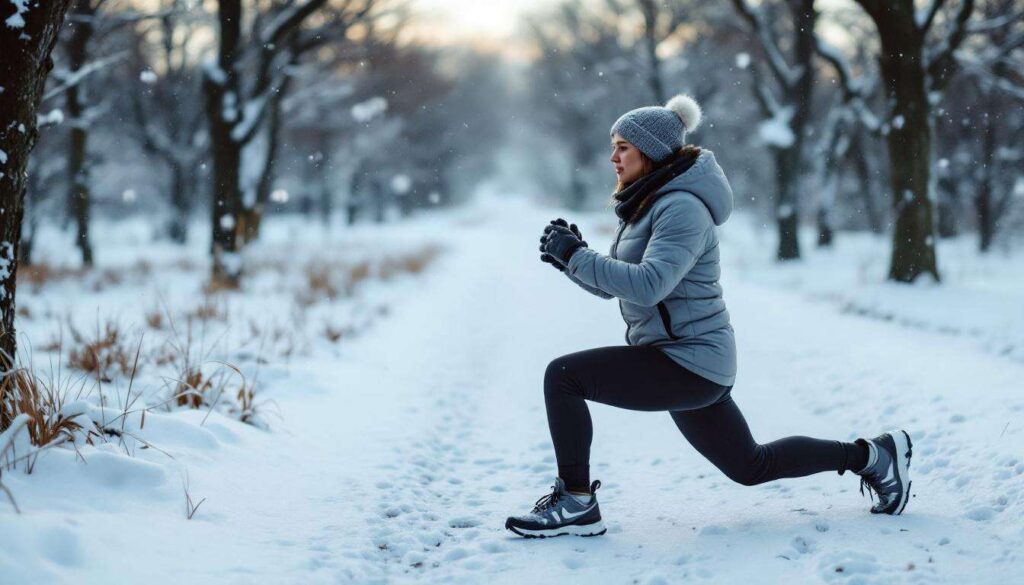
Winter weather need not halt your fitness regime. While exercising in cold conditions requires additional precautions, understanding the physiological effects of low temperatures and implementing appropriate strategies enables you to maintain your outdoor training safely. Cold air affects the body differently than mild weather, with muscles becoming stiffer, blood vessels constricting, and extremities vulnerable to frostbite. Research indicates that for every 1°C drop in muscle temperature, force generation capacity decreases by 4 to 6%, highlighting the importance of proper preparation. By following evidence-based recommendations, you can continue your exercise routine throughout winter whilst minimising risks and maximising performance.
Equipping yourself properly to face the cold
Mastering the layering system
Successful winter exercise begins with appropriate clothing choices. The three-layer system provides optimal temperature regulation and protection against the elements. The base layer should consist of synthetic materials such as polyester or polypropylene, which wick moisture away from your skin far more effectively than cotton. Cotton retains sweat, leaving you damp and vulnerable to hypothermia.
Your middle insulating layer traps warm air close to your body, whilst the outer shell protects against wind and precipitation. This system allows you to adjust your clothing as your body temperature rises during exercise, preventing both overheating and excessive cooling.
Protecting vulnerable extremities
Your body prioritises core temperature maintenance by reducing blood flow to peripheral areas during cold exposure. This vasoconstriction makes hands, feet, ears, and head particularly susceptible to cold injury. Essential protective equipment includes:
- Thermal gloves or mittens, with mittens providing superior warmth by allowing fingers to share heat
- Moisture-wicking socks made from wool or synthetic fibres
- A hat or headband covering your ears, as significant heat loss occurs through the head
- A neck warmer or scarf to protect your throat and face from cold air
Selecting appropriate footwear
Winter conditions demand shoes with adequate traction to navigate icy or snow-covered surfaces safely. Trail running shoes or winter-specific trainers with deeper treads reduce slipping risks. Consider shoes with water-resistant properties to keep feet dry, as wet feet lose heat rapidly and increase discomfort. Ensure sufficient room for thicker socks without compromising circulation.
Beyond clothing considerations, preparing your body internally proves equally crucial for safe winter exercise.
Warming up effectively
Extending your warm-up duration
Cold temperatures increase muscle stiffness and reduce elasticity, making a comprehensive warm-up essential. Whilst a 5-minute warm-up might suffice in summer, winter conditions necessitate 10 to 15 minutes of gradual activity. This extended period allows your cardiovascular system to adjust, increases blood flow to working muscles, and elevates core temperature before intense exertion.
Begin with low-intensity movements such as brisk walking or gentle jogging, progressively increasing pace and range of motion. This gradual approach reduces injury risk whilst preparing your body for the demands ahead.
Incorporating dynamic stretching
Static stretching in cold conditions can strain unprepared muscles. Instead, focus on dynamic movements that mimic your planned activity:
- Leg swings forward and sideways to mobilise hip joints
- Arm circles and shoulder rotations to prepare upper body
- Walking lunges to activate major leg muscle groups
- High knees and heel flicks to increase heart rate gradually
- Torso rotations to warm spinal muscles
Warming up indoors when possible
Starting your warm-up inside provides a controlled environment where muscles can reach optimal temperature before cold exposure. Perform the initial 5 to 10 minutes of your warm-up routine indoors, then step outside for the final preparation phase. This approach is particularly valuable when temperatures drop below freezing or wind chill factors create harsh conditions.
Physical preparation extends beyond movement patterns to include nutritional strategies that support cold-weather performance.
Adapting your diet to the effort
Timing your pre-exercise nutrition
Exercising in cold weather increases caloric expenditure as your body works harder to maintain core temperature. Consume a balanced meal containing carbohydrates and moderate protein 2 to 3 hours before exercise. This timing allows proper digestion whilst providing sustained energy. Suitable options include porridge with fruit, wholegrain toast with nut butter, or a chicken and rice bowl.
For early morning sessions, a lighter snack 30 to 60 minutes beforehand prevents discomfort whilst providing immediate fuel. Bananas, energy bars, or a small smoothie offer quick-digesting carbohydrates without causing digestive distress.
Maintaining hydration despite the cold
The misconception that winter exercise requires less hydration poses significant risks. Cold air contains less moisture, and breathing dry air increases respiratory fluid loss. Additionally, you may not perceive thirst as readily in cold conditions, leading to inadvertent dehydration.
| Exercise Duration | Recommended Fluid Intake |
|---|---|
| Under 30 minutes | 200-300ml before exercise |
| 30-60 minutes | 400-600ml total (before and during) |
| Over 60 minutes | 150-250ml every 15-20 minutes |
Warm beverages before exercise can help maintain core temperature whilst meeting hydration needs. Herbal tea or warm water with lemon provides fluid without excessive caffeine, which can have diuretic effects.
Post-exercise recovery nutrition
Replenishing energy stores promptly after winter exercise supports recovery and immune function. Consume a combination of carbohydrates and protein within 30 to 60 minutes of finishing your session. This recovery window optimises muscle repair and glycogen restoration. Hot soup, a warm protein shake, or a heated meal provides both nutritional benefits and helps restore body temperature.
Whilst nutritional preparation supports performance, environmental awareness determines whether conditions permit safe outdoor activity.
Checking the weather forecast before setting out
Understanding wind chill effects
Temperature readings alone provide incomplete information for winter exercise planning. Wind chill significantly affects how cold conditions feel and accelerates heat loss from exposed skin. A temperature of 0°C with 30 km/h winds creates a wind chill equivalent to -10°C, substantially increasing frostbite risk.
Meteorological services provide wind chill calculations alongside temperature forecasts. Use these combined figures to assess actual conditions rather than relying solely on thermometer readings.
Identifying dangerous conditions
Certain weather combinations warrant cancelling outdoor exercise in favour of indoor alternatives:
- Wind chill below -27°C, where frostbite can occur within 10 to 30 minutes
- Heavy precipitation creating visibility issues or hazardous surfaces
- Ice storms making roads and paths treacherous
- Extreme wind speeds exceeding 40 km/h, which impair balance and increase cold exposure
- Air quality alerts, as cold air can exacerbate respiratory conditions
Planning alternative routes
Winter weather creates variable surface conditions that may render your usual routes unsafe. Check local trail reports or community updates regarding path conditions. Opt for well-maintained areas with regular foot traffic, as these typically offer better traction and visibility. Consider routes with shorter loops, allowing you to return home quickly if conditions deteriorate or you experience discomfort.
Knowledge of current conditions pairs with awareness of actions following your workout to ensure comprehensive safety.
Avoiding common post-exercise mistakes
Changing out of wet clothing immediately
Sweat-dampened clothing loses insulating properties rapidly once you stop exercising. Your body temperature drops quickly when activity ceases, and wet garments accelerate cooling. Remove damp clothes promptly upon returning indoors and replace them with dry, warm layers. This simple action prevents post-exercise chills and reduces illness risk.
Keep a complete change of clothing prepared before your workout, including undergarments and socks. If exercising away from home, pack dry clothes in a waterproof bag within your gym kit.
Avoiding abrupt temperature changes
Transitioning directly from freezing outdoor conditions to overheated indoor environments stresses your cardiovascular system. Allow a gradual cool-down period in a moderate-temperature area before entering very warm spaces or taking a hot shower. Spend 5 to 10 minutes in a transitional zone, performing gentle stretches whilst your body adjusts.
Similarly, avoid immediately consuming very hot beverages, which can cause discomfort when your core temperature is still adjusting. Opt for warm rather than scalding drinks.
Completing proper cool-down routines
The temptation to rush indoors after cold-weather exercise often leads to skipping cool-down activities. However, gradual intensity reduction remains important regardless of temperature. Spend 5 to 10 minutes performing low-intensity movement to allow your heart rate to decrease progressively and prevent blood pooling in extremities.
Follow your aerobic cool-down with gentle static stretching once indoors, when muscles remain warm and pliable. This practice maintains flexibility whilst reducing next-day soreness.
Post-exercise protocols complement ongoing vigilance regarding how your body responds throughout cold-weather activity.
Remaining attentive to bodily signals
Recognising early frostbite symptoms
Frostbite occurs when skin and underlying tissues freeze, typically affecting fingers, toes, ears, nose, and cheeks. Early warning signs include numbness, tingling sensations, or skin appearing unusually pale or waxy. If you notice these symptoms, cease exercise immediately and seek warmth. Rewarm affected areas gradually using body heat rather than direct heat sources, which can cause tissue damage.
Frostnip, a milder precursor to frostbite, causes skin redness and cold sensation but doesn’t result in permanent damage. Nevertheless, it signals the need to add protection or reduce exposure time.
Identifying hypothermia indicators
Hypothermia develops when core body temperature drops below 35°C. Initial symptoms include:
- Intense shivering that you cannot control
- Confusion, difficulty concentrating, or poor coordination
- Slurred speech or mumbling
- Fatigue or unusual drowsiness
- Fumbling hands and clumsy movements
These warning signs demand immediate action. Stop exercising, seek shelter, remove any wet clothing, and warm yourself gradually. Severe hypothermia constitutes a medical emergency requiring professional intervention.
Monitoring respiratory responses
Cold air can trigger bronchospasm, particularly in individuals with asthma or exercise-induced bronchoconstriction. Symptoms include wheezing, chest tightness, excessive coughing, or unusual breathlessness disproportionate to your exertion level. Breathing through a scarf or balaclava warms and humidifies air before it reaches your lungs, reducing irritation.
If respiratory symptoms persist despite protective measures, reduce intensity or move your workout indoors. Individuals with known respiratory conditions should consult healthcare providers about adjusting medication protocols for cold-weather exercise.
Winter exercise offers unique rewards, from crisp air to peaceful snow-covered landscapes, whilst supporting cardiovascular health and immune function during months when indoor sedentary behaviour increases. By implementing these evidence-based strategies, you can continue your fitness routine safely throughout the coldest months. Proper equipment, extended warm-ups, appropriate nutrition, weather awareness, post-exercise care, and attention to bodily signals form a comprehensive approach to cold-weather training. These precautions enable you to maintain physical activity year-round, building resilience whilst minimising risks associated with low temperatures. Remember that flexibility in your routine, including willingness to modify plans when conditions become extreme, demonstrates wisdom rather than weakness in your commitment to health and fitness.