


Physical fitness in later life doesn’t necessarily require gruelling gym sessions or strict exercise regimes. Many individuals who maintain impressive levels of health and vitality as they age share a common thread: they’ve woven simple, sustainable habits into the fabric of their daily lives. These practices, often so natural they barely register as effort, form the foundation of lasting wellness. Understanding these habits offers valuable insights for anyone seeking to preserve their physical capabilities and energy levels throughout the years.
Walk as often as possible
Making walking a natural part of daily life
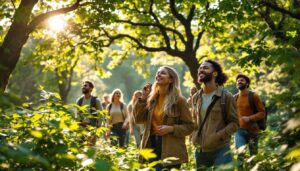
Walking stands out as one of the most accessible forms of physical activity available to people of all ages. Those who maintain fitness without formal exercise programmes typically integrate walking seamlessly into their routines. They choose to walk to local shops rather than drive, take leisurely strolls after meals, or simply enjoy exploring their neighbourhoods on foot.
The benefits of regular walking extend far beyond simple calorie expenditure:
- improved cardiovascular health and circulation
- enhanced joint mobility and flexibility
- better balance and coordination
- reduced risk of chronic diseases
- positive effects on mental wellbeing and cognitive function
The cumulative impact of daily steps
Research consistently demonstrates that accumulated walking throughout the day can be just as beneficial as concentrated exercise sessions. Individuals who stay fit naturally often achieve substantial step counts without consciously tracking them. They might take multiple trips up and down stairs, walk around whilst on phone calls, or park further away from destinations to add extra steps to their journey.
| Daily step count | Health benefits |
|---|---|
| 5,000-7,000 steps | Basic health maintenance |
| 7,000-10,000 steps | Improved fitness and weight management |
| 10,000+ steps | Enhanced cardiovascular health and longevity |
This foundation of regular movement naturally leads to broader considerations about what we consume to fuel our bodies.
Adopt a balanced diet
Nourishing the body with intention
People who maintain physical fitness as they age typically approach food with mindful awareness rather than restrictive rules. They tend to favour whole, unprocessed foods whilst allowing themselves flexibility and enjoyment. This balanced approach means they consume adequate protein to preserve muscle mass, include plenty of vegetables and fruits for essential nutrients, and don’t eliminate entire food groups unnecessarily.
Key dietary principles observed in naturally fit older adults include:
- eating regular meals without excessive snacking
- staying adequately hydrated throughout the day
- choosing nutrient-dense foods over empty calories
- practising portion awareness without obsessive calorie counting
- enjoying treats in moderation rather than complete restriction
The relationship between nutrition and energy
Consistent energy levels throughout the day often reflect sound nutritional choices. Those who remain active naturally tend to eat breakfast regularly, which provides fuel for morning activities. They avoid excessive sugar intake that leads to energy crashes, and they time their meals to support their activity patterns. This intuitive approach to eating sustains their ability to remain active without requiring formal meal planning or complex dietary protocols.
Proper nutrition works in tandem with another crucial element of physical wellbeing that often goes undervalued.
Prioritise quality sleep
Understanding sleep’s role in physical fitness
Adequate, restorative sleep forms a cornerstone of maintaining fitness without intensive exercise. Individuals who age well physically typically maintain consistent sleep schedules, allowing their bodies sufficient time for recovery and regeneration. During sleep, the body repairs tissues, consolidates memories, and regulates hormones that influence appetite, metabolism, and energy levels.
Quality sleep contributes to physical fitness through several mechanisms:
- supporting muscle recovery and growth
- regulating hormones that control hunger and satiety
- maintaining cognitive function and decision-making abilities
- reducing inflammation throughout the body
- enhancing immune system function
Creating conditions for restful sleep
Those who naturally maintain fitness often establish sleep-friendly environments and routines. They keep bedrooms cool, dark, and quiet, limit screen exposure before bedtime, and avoid heavy meals or caffeine in the evening hours. Many maintain regular sleep and wake times even on weekends, which helps regulate their circadian rhythms and ensures consistent energy throughout waking hours.
Beyond individual habits, the social dimension of life plays an unexpectedly significant role in physical wellbeing.
Maintain active social relationships
The physical benefits of social connection
Strong social bonds contribute significantly to sustained physical activity and overall health in older adults. People who remain fit naturally often maintain vibrant social lives that inherently involve movement and engagement. Whether meeting friends for walks, participating in community activities, or simply visiting family members, these social interactions create opportunities for physical activity that feel enjoyable rather than obligatory.
How relationships encourage movement
Social engagement naturally promotes physical activity in various ways. Individuals with active social calendars find themselves moving more frequently to attend gatherings, help others with tasks, or participate in group activities. This social motivation often proves more sustainable than solitary exercise commitments, as the pleasure of connection reinforces the habit of movement.
| Social activity | Physical benefits |
|---|---|
| Walking groups | Cardiovascular exercise, social bonding |
| Gardening clubs | Strength, flexibility, outdoor time |
| Volunteering | General activity, purpose, engagement |
This external awareness of social connections mirrors an equally important internal awareness that fit individuals cultivate.
Listen to your body daily
Developing body awareness
People who maintain fitness naturally possess a heightened sensitivity to their body’s signals. They notice when they’ve been sitting too long and feel compelled to move. They recognise early signs of fatigue, hunger, or discomfort and respond appropriately rather than pushing through or ignoring these cues. This attunement allows them to maintain balance and avoid the extremes that lead to injury or burnout.
Responding to physical feedback
This body awareness manifests in practical ways throughout the day. When experiencing stiffness, these individuals instinctively stretch or change position. When feeling sluggish, they might take a brief walk or step outside for fresh air. They distinguish between productive discomfort that signals growth and warning signs that suggest the need for rest or modification. This intuitive self-regulation helps them maintain consistent activity levels without formal exercise protocols.
Such mindful attention to physical sensations naturally extends to how movement is integrated throughout daily activities.
Incorporate movement into daily routines
The power of non-exercise activity
Perhaps the most significant habit shared by naturally fit older adults is their tendency to choose movement-rich options in everyday situations. This concept, known as non-exercise activity thermogenesis, encompasses all the physical activity that occurs outside structured exercise. These individuals take stairs instead of lifts, stand whilst working when possible, and perform household tasks with energy and engagement rather than seeking the most effortless approach.
Common ways to increase daily movement include:
- doing housework and gardening with vigour
- standing or pacing during phone conversations
- taking regular breaks from seated work to stretch or walk
- carrying shopping bags rather than using trolleys when practical
- choosing manual tools over powered alternatives for simple tasks
Making activity the default choice
What distinguishes naturally fit individuals is that movement becomes their automatic choice rather than something requiring motivation or discipline. They’ve cultivated environments and habits where physical activity represents the path of least resistance. Their homes might be arranged to require more movement, or their daily schedules structured to include active components naturally. This integration means fitness becomes a byproduct of living rather than a separate pursuit requiring dedicated time and effort.
Maintaining physical fitness as we age needn’t involve elaborate exercise programmes or significant time commitments. The individuals who achieve this most successfully have woven simple, sustainable habits into their daily lives. Regular walking, balanced nutrition, quality sleep, strong social connections, body awareness, and integrated movement throughout the day collectively create a lifestyle that supports lasting health and vitality. These practices, accessible to most people regardless of fitness level, demonstrate that consistency and mindful choices often matter more than intensity or duration. By adopting even a few of these habits, individuals can significantly enhance their prospects for maintaining physical capability and wellbeing throughout their later years.