



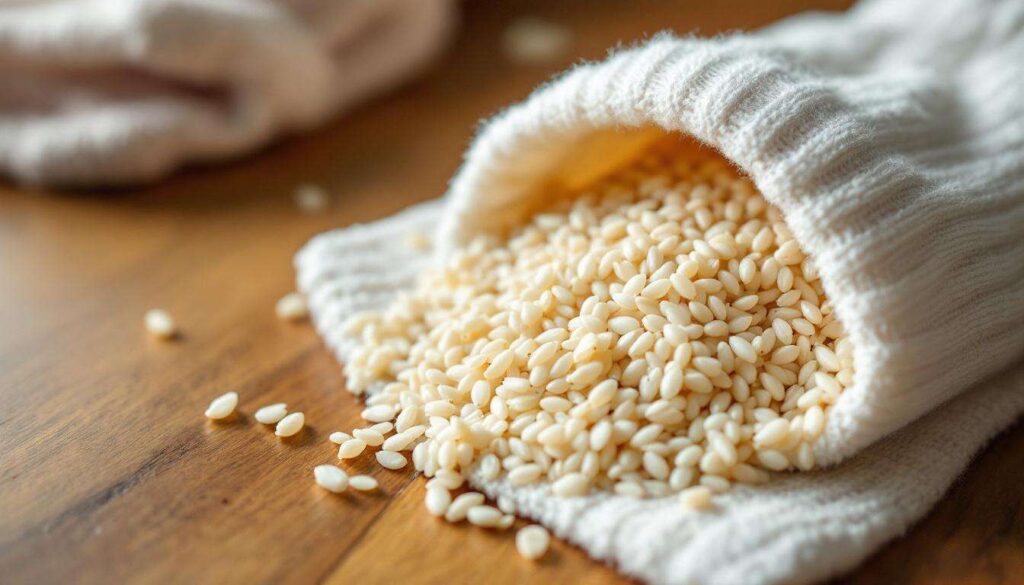
Simple household items can transform into powerful therapeutic tools with minimal effort. Placing rice in a sock and heating it in a microwave creates an effective, reusable heat source that retains warmth for extended periods, offering a natural solution for pain relief and comfort without the need for electricity or expensive equipment.
Origins of the homemade heating pad
Historical roots of heat therapy
The practice of using heated grains for therapeutic purposes extends back centuries across various cultures. Ancient civilisations recognised the healing properties of warmth applied to aching muscles and joints, employing methods ranging from heated stones to warm compresses filled with natural materials.
Evolution of the rice sock method
The modern rice heating pad emerged as a practical adaptation of traditional heat therapy. During the mid-twentieth century, households began experimenting with readily available materials to create cost-effective alternatives to commercial heating pads. Rice proved particularly suitable due to its:
- Excellent heat retention properties
- Widespread availability in most households
- Ability to conform to body contours
- Safe, non-toxic composition
Rising popularity in contemporary wellness
The resurgence of interest in natural remedies and sustainable living has propelled rice heating pads into mainstream wellness practices. Online communities and craft enthusiasts have shared countless variations, establishing this simple solution as a staple in holistic health approaches.
Understanding the materials required forms the foundation for creating an effective heating pad.
Materials needed to create a rice heating pad
Essential components
Creating a functional rice heating pad requires minimal supplies, most of which are typically found in the average home. The basic materials include:
- A clean cotton sock or fabric pouch
- Uncooked white or brown rice
- Thread and needle for securing (optional)
- Measuring cup for portion control
Fabric selection considerations
The choice of fabric significantly impacts the performance and safety of the heating pad. Cotton remains the preferred material due to its heat resistance and breathability. Avoid synthetic fabrics such as polyester or nylon, which may melt or emit harmful fumes when heated.
| Fabric type | Suitability | Heat tolerance |
|---|---|---|
| 100% cotton | Excellent | High |
| Cotton blend | Good | Moderate |
| Polyester | Poor | Low |
| Wool | Fair | Moderate |
Rice variety and quantity
White rice typically provides superior heat retention compared to brown rice, though both varieties function adequately. The quantity depends on the desired size of the heating pad, with most standard sock-sized pads requiring approximately 500 to 750 grams of rice.
Optional enhancement ingredients
Many individuals incorporate aromatic additions to enhance the therapeutic experience:
- Dried lavender for relaxation
- Chamomile flowers for calming effects
- Peppermint leaves for invigoration
- Essential oils (applied sparingly to the fabric exterior)
With materials assembled, the construction process proves remarkably straightforward.
Steps to make a rice heating pad
Preparation phase
Begin by ensuring all materials are clean and dry. Inspect the sock or fabric for holes or weak seams that might allow rice to escape during use. If using a new sock, washing it beforehand removes any manufacturing residues.
Filling procedure
The filling process requires attention to proper rice distribution. Follow these steps:
- Hold the sock open and insert a funnel if available
- Pour rice slowly, filling approximately two-thirds of the sock’s length
- Leave sufficient space at the opening for secure closure
- Shake gently to distribute rice evenly
- Avoid overfilling, which prevents the pad from moulding to body contours
Securing the opening
Several methods exist for closing the heating pad effectively. The simplest approach involves tying a tight knot at the sock’s opening. For a more permanent solution, sew the opening closed using a needle and thread with secure stitching. Some prefer creating a removable closure using safety pins or fabric ties for easier rice replacement.
Initial heating test
Before regular use, conduct a test heating cycle to ensure safety and optimal temperature. Place the completed pad in the microwave for 30 seconds initially, then check the temperature. Gradually increase heating time in 15-second intervals until reaching the desired warmth, typically between one and three minutes depending on microwave wattage.
The therapeutic applications of these heating pads extend across numerous health concerns.
Therapeutic benefits of the heating pad
Pain management applications
Rice heating pads deliver effective relief for various pain conditions. The sustained warmth penetrates deep into muscles and tissues, promoting relaxation and reducing discomfort. Common applications include:
- Muscle tension and spasms
- Lower back pain
- Menstrual cramps
- Arthritis-related joint stiffness
- Neck and shoulder strain
Physiological mechanisms
The therapeutic effects stem from heat-induced physiological responses. Warmth causes blood vessels to dilate, increasing circulation to the affected area. Enhanced blood flow delivers oxygen and nutrients whilst removing metabolic waste products, accelerating the healing process.
| Condition | Recommended duration | Frequency |
|---|---|---|
| Muscle soreness | 15-20 minutes | 3-4 times daily |
| Menstrual cramps | 20-30 minutes | As needed |
| Joint stiffness | 10-15 minutes | 2-3 times daily |
Stress reduction and relaxation
Beyond physical pain relief, rice heating pads contribute to psychological wellbeing. The gentle warmth promotes relaxation, reducing stress hormones and encouraging a sense of calm. When enhanced with aromatic additions, the sensory experience amplifies these calming effects.
Sleep quality improvement
Applying warmth before bedtime can facilitate better sleep onset. The temperature increase followed by gradual cooling signals the body to prepare for rest, aligning with natural circadian rhythms.
Maximising benefits whilst ensuring safety requires understanding proper usage guidelines.
Uses and precautions
Appropriate heating guidelines
Safe microwave heating depends on several factors including rice quantity and microwave power. Standard recommendations suggest:
- Initial heating: 60-90 seconds for small pads
- Medium pads: 90-120 seconds
- Large pads: 120-180 seconds
- Always test temperature before skin contact
- Reheat as needed when warmth dissipates
Safety considerations
Whilst generally safe, rice heating pads require sensible precautions. Never overheat the pad, as excessive temperatures can cause burns or ignite the fabric. Always supervise microwave heating and never leave the appliance unattended. Inspect the pad regularly for signs of wear, replacing it if the fabric deteriorates.
Cold therapy applications
The same rice pad functions effectively as a cold compress when stored in the freezer for several hours. Cold therapy proves beneficial for:
- Acute injuries and swelling
- Headaches and migraines
- Inflammation reduction
- Post-exercise recovery
Contraindications and limitations
Certain conditions warrant caution or avoidance of heat therapy. Individuals with diabetes, peripheral neuropathy, or reduced sensation should consult healthcare providers before use. Avoid applying heat to areas of active inflammation, open wounds, or bruising within the first 48 hours of injury.
Personalising heating pads allows for enhanced functionality and aesthetic appeal.
Possible alternatives and customisations
Alternative filling materials
Whilst rice remains popular, other grains and materials offer viable alternatives with distinct characteristics:
| Material | Heat retention | Advantages |
|---|---|---|
| Wheat | Excellent | Longer warmth duration |
| Flaxseed | Very good | Moulds well to body |
| Cherry stones | Exceptional | Retains heat longest |
| Buckwheat | Good | Hypoallergenic option |
Design variations
Creative adaptations transform basic heating pads into personalised wellness tools. Consider these variations:
- Neck wraps with elongated shapes
- Eye pillows using smaller portions
- Compartmentalised designs preventing rice shifting
- Decorative fabric covers for aesthetic appeal
- Child-friendly shapes and patterns
Scent customisation
Aromatic enhancements elevate the therapeutic experience significantly. Dried herbs, flowers, or essential oils introduce pleasant fragrances that complement heat therapy. Popular combinations include lavender for relaxation, eucalyptus for respiratory benefits, and rosemary for mental clarity.
Size and shape adaptations
Tailoring dimensions to specific body areas optimises treatment effectiveness. Longer, narrower designs suit shoulders and necks, whilst wider pads accommodate lower backs. Smaller versions target localised pain points such as elbows or knees.
Rice heating pads represent an accessible, economical solution for natural pain relief and comfort. Their simplicity belies their effectiveness, offering sustained warmth that penetrates deeply into tissues whilst promoting relaxation and healing. The minimal materials required and straightforward construction process make them attainable for anyone seeking alternatives to commercial heating devices. Whether addressing chronic pain, menstrual discomfort, or simply seeking warmth on cold evenings, these reusable heat sources provide reliable therapeutic benefits. Their versatility extends to cold therapy applications, whilst customisation options allow for personalisation according to individual preferences and needs. By repurposing everyday items, individuals create practical wellness tools that serve households for extended periods.