



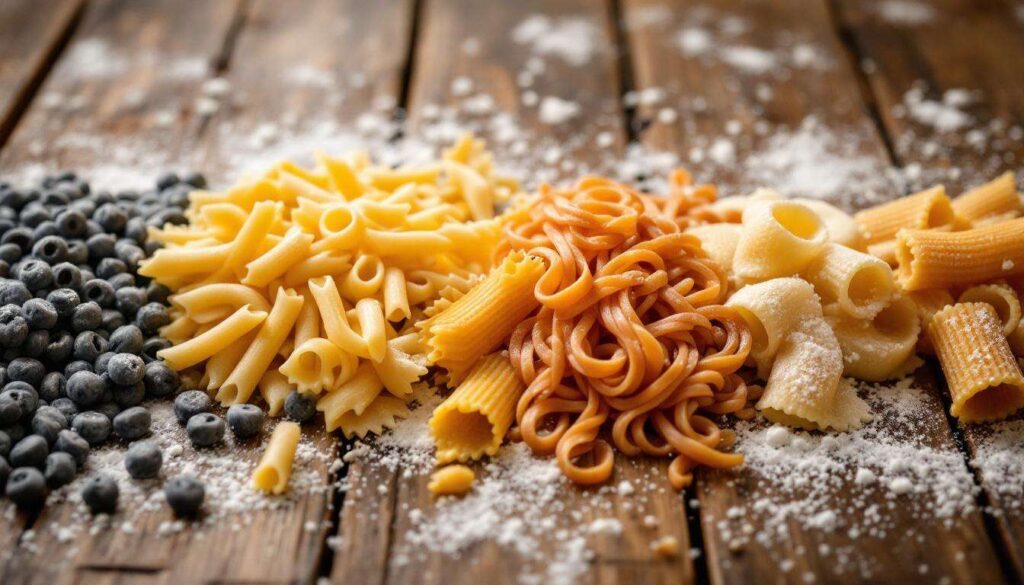
Managing blood sugar levels remains a priority for millions of people living with diabetes or prediabetes. Pasta, often viewed as a dietary villain due to its carbohydrate content, can actually be consumed in moderation when the right varieties are chosen. Recent nutritional research demonstrates that not all pasta is created equal, and certain types offer significant advantages for glucose control. Understanding which pasta options provide stable energy without causing dramatic blood sugar spikes empowers individuals to enjoy this beloved staple whilst maintaining their health goals. The key lies in selecting pasta varieties rich in fibre, protein, and complex carbohydrates that digest slowly and prevent rapid glucose elevations.
The benefits of pasta for diabetics
Understanding the glycaemic index of pasta
Contrary to popular belief, pasta possesses a moderate glycaemic index compared to other carbohydrate-rich foods. Traditional wheat pasta typically registers between 40 and 55 on the GI scale, which classifies it as a low to medium GI food. This characteristic means that pasta releases glucose into the bloodstream more gradually than white bread or potatoes, preventing the sharp blood sugar spikes that diabetics must avoid.
The structure of pasta contributes to its favourable glycaemic response. During the manufacturing process, wheat proteins form a dense network that traps starch granules, slowing down enzymatic digestion. This physical barrier requires more time for digestive enzymes to break down the carbohydrates, resulting in a steadier glucose release.
Nutritional value beyond carbohydrates
Quality pasta varieties offer several nutritional benefits that extend beyond their carbohydrate content:
- Essential B vitamins that support metabolic function
- Iron for oxygen transport throughout the body
- Selenium with antioxidant properties
- Folate particularly important for cellular health
- Magnesium which aids insulin sensitivity
When combined with nutrient-dense sauces containing vegetables, lean proteins, and healthy fats, pasta becomes part of a balanced Mediterranean-style meal that research consistently links to improved diabetes management and cardiovascular health.
These foundational benefits become even more pronounced when selecting specific pasta varieties designed with blood sugar stability in mind.
Whole grain pasta: an ally for blood sugar levels
The fibre advantage
Whole grain pasta stands out as the most recommended option for diabetics seeking to maintain stable glucose levels. Unlike refined pasta, whole grain varieties retain all three parts of the grain kernel: the bran, germ, and endosperm. This preservation means significantly higher fibre content, typically providing 6 to 7 grams per serving compared to just 2 grams in refined alternatives.
Dietary fibre slows carbohydrate absorption in the digestive tract, which moderates the post-meal blood sugar response. Soluble fibre forms a gel-like substance that further delays gastric emptying, whilst insoluble fibre adds bulk and promotes digestive health. Both types work synergistically to prevent rapid glucose elevations.
Nutrient density comparison
| Nutrient | Refined pasta (per 100g) | Whole grain pasta (per 100g) |
|---|---|---|
| Fibre | 2.5g | 6.8g |
| Protein | 13g | 13.5g |
| Magnesium | 18mg | 143mg |
| Iron | 1.3mg | 3.6mg |
The enhanced mineral content in whole grain pasta supports various metabolic processes, including insulin function and glucose metabolism. Studies indicate that regular consumption of whole grains correlates with improved insulin sensitivity and reduced diabetes risk.
Beyond whole grains, alternative pasta formulations offer even more targeted benefits for blood sugar management.
The role of gluten-free pasta for diabetics
Not all gluten-free options are equal
The gluten-free pasta category encompasses a wide spectrum of products with vastly different nutritional profiles. Many commercial gluten-free pastas rely on refined rice flour or corn starch, which can actually raise blood sugar more rapidly than traditional wheat pasta. These refined alternatives often lack the protein-starch matrix that gives wheat pasta its moderate GI rating.
However, gluten-free pasta made from nutrient-dense ingredients can offer superior blood sugar control. The key lies in examining the ingredient list rather than simply selecting products labelled gluten-free.
Beneficial gluten-free varieties
Certain gluten-free pasta types provide excellent options for diabetics:
- Quinoa pasta containing all nine essential amino acids
- Buckwheat pasta rich in resistant starch and rutin
- Brown rice pasta offering more fibre than white rice alternatives
- Amaranth pasta providing high protein and mineral content
These alternatives often combine multiple grain sources to improve texture whilst enhancing nutritional value. When selecting gluten-free pasta, prioritising varieties with at least 3 grams of fibre and 5 grams of protein per serving ensures better glucose management.
Another traditional pasta variety deserves attention for its unique nutritional composition and blood sugar effects.
Egg noodles and their impact on blood sugar levels
Protein content and satiety
Egg noodles incorporate whole eggs or egg yolks into the dough, which increases the protein content compared to standard pasta. This additional protein slows digestion and promotes satiety, helping to prevent overeating and subsequent blood sugar fluctuations. A typical serving of egg noodles contains approximately 8 grams of protein, compared to 7 grams in regular pasta.
The presence of egg proteins creates a denser pasta structure that requires more digestive effort, further moderating the glycaemic response. Research suggests that meals containing adequate protein alongside carbohydrates produce smaller blood sugar increases than carbohydrate-only meals.
Considerations for diabetics
Whilst egg noodles offer benefits, diabetics should consider several factors:
- Cholesterol content may be a concern for those with cardiovascular risk factors
- Portion sizes remain important despite improved protein content
- Whole grain egg noodle varieties provide additional fibre benefits
- Cooking time affects texture and digestibility
Egg noodles work particularly well in Asian-inspired dishes with abundant vegetables and lean proteins, creating balanced meals that support stable blood sugar. The combination of protein, fibre from vegetables, and moderate carbohydrates exemplifies the type of meal composition that diabetes educators recommend.
For those seeking even more dramatic improvements in blood sugar control, legume-based pasta represents a revolutionary development in pasta nutrition.
Legume-based pasta: the healthy alternative
Chickpea pasta nutritional profile
Chickpea pasta has emerged as a game-changing option for diabetics, offering a dramatically different nutritional composition compared to traditional wheat pasta. A single serving typically provides 14 grams of protein and 8 grams of fibre, nearly doubling the protein content and quadrupling the fibre found in refined pasta.
This exceptional nutrient density means that chickpea pasta creates a substantially lower glycaemic response whilst providing greater satiety. The high protein content stimulates the release of incretin hormones that slow gastric emptying and enhance insulin secretion in response to meals.
Lentil pasta advantages
Lentil pasta rivals chickpea varieties in nutritional excellence, offering similar protein and fibre levels with additional benefits:
- Rich in resistant starch that feeds beneficial gut bacteria
- High iron content supporting oxygen transport
- Folate for cellular function and cardiovascular health
- Polyphenols with anti-inflammatory properties
Studies examining lentil consumption demonstrate improvements in post-meal blood sugar levels and long-term glycaemic control markers. The resistant starch in lentil pasta bypasses digestion in the small intestine, fermenting in the colon and producing short-chain fatty acids that improve insulin sensitivity.
Edamame and other bean-based options
| Pasta type | Protein (per 85g serving) | Fibre (per 85g serving) | Net carbohydrates |
|---|---|---|---|
| Chickpea | 14g | 8g | 27g |
| Lentil | 13g | 7g | 28g |
| Edamame | 24g | 11g | 20g |
| Black bean | 15g | 8g | 26g |
Edamame pasta stands out with its exceptionally high protein content, making it particularly suitable for diabetics who need to maximise protein intake whilst minimising carbohydrates. Black bean pasta offers a distinctive flavour profile alongside impressive nutritional statistics.
Understanding how to prepare these pasta varieties properly ensures maximum benefit for blood sugar management.
Tips for preparing balanced pasta recipes
Portion control strategies
Even the most diabetes-friendly pasta requires appropriate portion management to maintain stable blood sugar levels. Dietitians recommend limiting pasta servings to 45 to 60 grams of total carbohydrates per meal, which typically translates to approximately 85 grams of cooked pasta.
Practical portion control techniques include:
- Using smaller plates to create visual satisfaction with less food
- Measuring dried pasta before cooking to establish accurate portions
- Filling half the plate with non-starchy vegetables
- Adding lean protein sources to increase meal satisfaction
- Incorporating healthy fats like olive oil or avocado
Cooking methods that preserve benefits
The cooking process significantly influences pasta’s glycaemic impact. Al dente pasta maintains a firmer texture that requires more digestive effort, resulting in slower carbohydrate absorption. Overcooking breaks down the starch structure, making it more rapidly digestible and increasing the glycaemic response.
Cooking pasta and then cooling it creates resistant starch through retrogradation, a process where starch molecules realign into a form that resists digestion. Reheating cooled pasta maintains this resistant starch, making pasta salads or reheated leftovers particularly beneficial for blood sugar control.
Complementary ingredients for glucose stability
Building balanced pasta meals involves strategic ingredient selection:
- Non-starchy vegetables adding volume, fibre, and micronutrients
- Lean proteins such as chicken, fish, or tofu
- Healthy fats from olive oil, nuts, or seeds
- Acidic components like tomatoes or vinegar that lower glycaemic response
- Herbs and spices providing flavour without added sugars
Research indicates that adding vinegar to pasta meals can reduce the post-meal blood sugar rise by up to 30 per cent. This simple addition enhances flavour whilst providing measurable metabolic benefits.
Selecting appropriate pasta varieties and preparing them thoughtfully transforms this traditional comfort food into a diabetes-friendly option. The evolution from refined wheat pasta to nutrient-dense alternatives made from whole grains, legumes, and vegetables demonstrates how food science continues advancing dietary options for blood sugar management. By prioritising high-fibre, high-protein pasta types, controlling portions, cooking to al dente texture, and combining pasta with vegetables, lean proteins, and healthy fats, individuals with diabetes can enjoy satisfying meals without compromising their health goals. The Mediterranean dietary pattern, which includes moderate pasta consumption alongside abundant plant foods and olive oil, remains one of the most extensively researched approaches for diabetes management and overall metabolic health.