



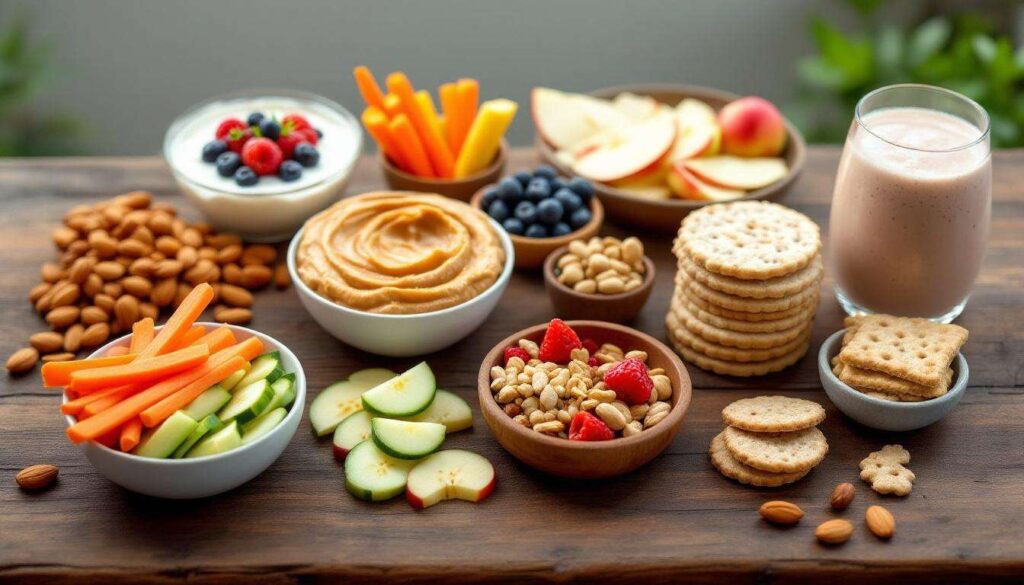
Snacking has become an integral part of modern eating habits, yet the choices we make between meals can significantly impact our overall health and wellbeing. The challenge lies in selecting options that not only satisfy immediate hunger but also provide genuine nutritional value. Nutrition professionals emphasise that strategic snacking can help maintain stable energy levels throughout the day, prevent overeating at main meals, and contribute essential nutrients to our daily intake. Understanding which snacks deliver the best combination of protein, fibre, and healthy fats empowers us to make choices that support rather than sabotage our health goals.
Dark Chocolate Covered Almonds: Indulgence Meets Nutrition
The Perfect Balance of Sweet and Nutritious
Dark chocolate covered almonds represent an ideal fusion of indulgence and health benefits. This combination delivers a satisfying treat whilst providing substantial nutritional advantages that make it a dietitian-approved choice for between-meal hunger.
- Almonds provide approximately 6 grammes of protein per ounce
- Dark chocolate contains flavonoids with antioxidant properties
- The combination offers heart-healthy monounsaturated fats
- Natural sweetness helps curb sugar cravings effectively
Portion Control Matters
Whilst this snack offers numerous benefits, mindful portioning remains essential. A serving of approximately 10-12 almonds coated in dark chocolate typically contains around 150-170 calories, making it perfectly suited for a satisfying mid-afternoon pick-me-up. The key lies in choosing varieties with at least 70% cocoa content to maximise antioxidant benefits whilst minimising added sugars.
Understanding how different snacks complement each other helps build a varied and balanced approach to eating throughout the day.
Popcorn: The Whole Grain Wonder
Fibre-Rich and Surprisingly Low in Calories
Air-popped popcorn stands out as an exceptional whole grain snack that delivers impressive volume for relatively few calories. Three cups of plain popcorn contain merely 93 calories whilst providing nearly 4 grammes of dietary fibre, making it an outstanding choice for those seeking to manage their weight whilst staying satisfied.
| Popcorn Type | Calories per Serving | Fibre Content |
|---|---|---|
| Air-popped (3 cups) | 93 | 3.6g |
| Lightly salted (3 cups) | 110 | 3.5g |
| Cinema-style buttered (3 cups) | 240 | 2.8g |
Preparation Methods Make the Difference
The nutritional profile of popcorn varies dramatically based on preparation. Air-popping preserves the inherent benefits without adding unnecessary fats or calories. For those seeking additional flavour, nutrition experts recommend experimenting with herbs, nutritional yeast, or a light sprinkle of parmesan cheese rather than butter and excessive salt.
Protein-rich options complement fibre-heavy snacks beautifully, creating a comprehensive approach to hunger management.
Yoghurt: Probiotic Powerhouse
Supporting Gut Health and Satiety
Yoghurt offers a remarkable combination of protein, probiotics, and calcium that supports digestive health whilst effectively curbing hunger. Greek yoghurt particularly stands out, containing approximately twice the protein of regular varieties, with around 15-20 grammes per serving.
- Probiotics support digestive system function
- High protein content promotes lasting fullness
- Calcium contributes to bone health
- Versatile base for various flavour combinations
Choosing Quality Over Convenience
The yoghurt aisle presents numerous options, but selecting wisely proves crucial. Plain, unsweetened varieties allow you to control sugar content whilst adding fresh berries, a drizzle of honey, or a sprinkle of granola for flavour. Many flavoured yoghurts contain as much sugar as desserts, undermining their health benefits.
Combining different textures and flavours creates more satisfying snacking experiences throughout the day.
Nuts and Dried Fruit: Nature’s Trail Mix
Portable Energy in Perfect Portions
A carefully balanced mixture of nuts and dried fruit provides sustained energy through its combination of healthy fats, protein, and natural sugars. This portable option suits busy lifestyles whilst delivering genuine nutritional value.
Creating Your Ideal Mix
Nutrition professionals suggest maintaining a 2:1 ratio of nuts to dried fruit to optimise the balance between protein, healthy fats, and natural sugars. Almonds, walnuts, and cashews pair excellently with unsweetened dried cranberries, apricots, or raisins. Pre-portioning into small containers helps prevent overconsumption, as this energy-dense snack can quickly exceed calorie targets.
Whole food options that require minimal preparation often prove most sustainable for long-term healthy eating patterns.
Avocado Toast: Trendy Yet Timeless
Monounsaturated Fats for Lasting Satisfaction
Avocado on whole-grain bread delivers approximately 10 grammes of fibre alongside heart-healthy monounsaturated fats that promote cardiovascular health. This combination provides exceptional satiety, often keeping hunger at bay for several hours.
| Component | Nutritional Benefit | Quantity per Serving |
|---|---|---|
| Avocado (half) | Healthy fats, potassium | 120 calories |
| Whole grain bread (1 slice) | Fibre, B vitamins | 80 calories |
| Total | Complete snack | 200 calories |
Elevating the Basic Recipe
Simple additions can transform basic avocado toast into a more nutritionally complete snack. Consider topping with a poached egg for additional protein, cherry tomatoes for vitamins and antioxidants, or a sprinkle of hemp seeds for omega-3 fatty acids.
Protein-focused snacks offer different benefits that complement fat-rich options beautifully.
Hard-Boiled Eggs: Convenient Protein Packages
Preparation and Practicality
Hard-boiled eggs represent one of the most efficient protein sources available, with each egg providing approximately 6 grammes of high-quality protein alongside essential vitamins and minerals. Their convenience factor makes them particularly valuable for busy individuals.
- Can be prepared in batches and stored for up to one week
- Contain all nine essential amino acids
- Provide choline for brain health
- Deliver only 70-80 calories per egg
Maximising Nutritional Value
Whilst concerns about cholesterol once limited egg consumption recommendations, current research supports their inclusion in balanced diets for most individuals. Pairing hard-boiled eggs with vegetable sticks or whole-grain crackers creates a more complete snack that addresses multiple nutritional needs simultaneously.
Fresh vegetables paired with complementary dips create satisfying combinations that deliver both nutrition and flavour.
Carrots and Guacamole: Crunch Meets Creaminess
Nutritional Synergy
The pairing of crisp carrots with creamy guacamole creates textural interest whilst delivering an impressive array of nutrients. Carrots provide beta-carotene and fibre, whilst avocado-based guacamole contributes healthy fats that enhance absorption of fat-soluble vitamins.
Homemade Versus Shop-Bought
Creating guacamole at home allows complete control over ingredients, avoiding preservatives and excessive sodium often found in commercial varieties. A basic recipe requires only mashed avocado, lime juice, salt, and perhaps diced tomato and onion, taking mere minutes to prepare.
Protein-rich seafood options provide alternative approaches to satisfying between-meal hunger effectively.
Fresh Fruits: Simple Yet Effective
Natural Sweetness and Essential Nutrients
Fresh fruits offer unprocessed nutrition in convenient, naturally portioned packages. Apples, bananas, berries, and citrus fruits each provide unique combinations of vitamins, minerals, and phytonutrients alongside natural sugars and fibre.
Pairing for Enhanced Satisfaction
Whilst fruit alone makes an acceptable snack, combining it with protein or healthy fats significantly improves satiety. Apple slices with almond butter, banana with a handful of walnuts, or berries mixed into Greek yoghurt transform simple fruit into more substantial, hunger-curbing options.
Strategic snacking requires understanding not just what to eat, but how to integrate these choices into daily routines effectively.
Implementing Healthy Snacking Strategies
Timing and Frequency Considerations
Nutrition professionals emphasise that strategic timing of snacks proves as important as the snacks themselves. Most individuals benefit from one or two planned snacks daily, typically mid-morning or mid-afternoon, to maintain stable blood sugar levels and prevent excessive hunger at mealtimes.
Practical Planning Approaches
Advance preparation significantly increases the likelihood of making nutritious choices when hunger strikes. Dedicating time weekly to wash and portion vegetables, prepare hard-boiled eggs, or create individual servings of trail mix ensures healthy options remain readily accessible.
By incorporating these dietitian-recommended snacks into daily eating patterns, individuals can effectively manage hunger between meals whilst supporting broader health and wellness objectives. The key lies in selecting options that provide genuine nutritional value, practising appropriate portion control, and maintaining consistency in making conscious food choices that align with personal health goals.