



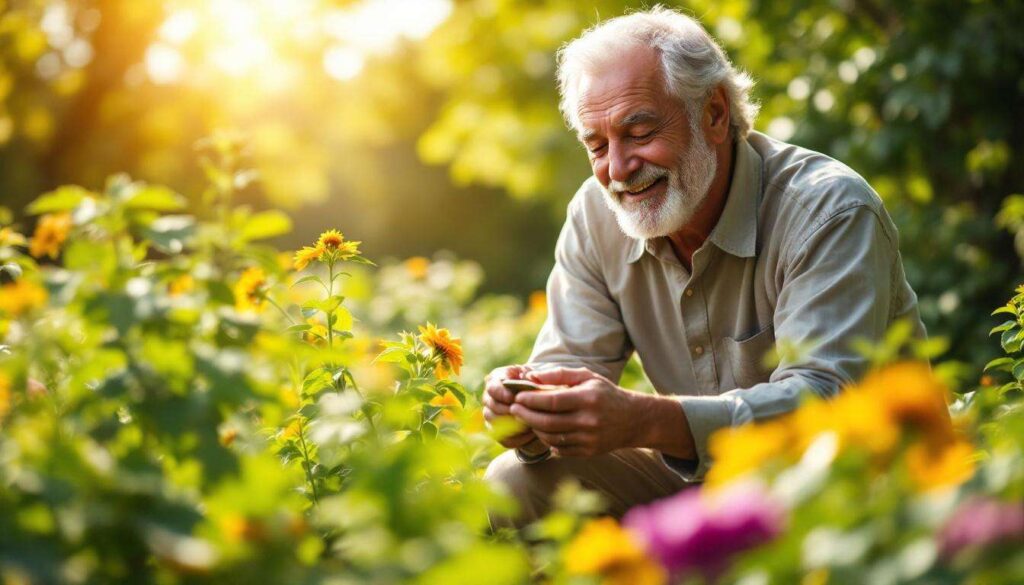
The pursuit of longevity has captivated humanity for centuries, yet the secret to a longer, healthier life may lie not in revolutionary medical breakthroughs but in the simple pleasures we cultivate daily. Recent research has illuminated the profound connection between our leisure activities and our overall health outcomes. Experts across multiple disciplines now agree that certain hobbies possess remarkable potential to extend our years whilst simultaneously enhancing their quality. From nurturing plants to engaging with our communities, these activities offer more than mere entertainment: they provide tangible physiological and psychological benefits that can add precious time to our lives.
Gardening: a natural balm for the soul
Physical benefits of tending the earth
Gardening represents far more than a weekend pastime; it constitutes a comprehensive workout that engages multiple muscle groups whilst remaining gentle on the joints. The repetitive motions of digging, planting, weeding, and watering provide moderate-intensity cardiovascular exercise that strengthens the heart without the jarring impact of high-intensity activities. Research demonstrates that individuals who garden regularly experience improved flexibility, enhanced hand strength, and better overall physical endurance.
The outdoor nature of gardening also ensures adequate vitamin D exposure, essential for bone health and immune function. Furthermore, the physical demands of maintaining a garden help regulate blood pressure and reduce the risk of obesity-related conditions.
Cognitive advantages and dementia prevention
The mental stimulation inherent in gardening offers remarkable protection against cognitive decline. Studies conducted amongst individuals in their sixties reveal that those who engage in regular gardening activities reduce their risk of developing dementia by an impressive 36%. This protective effect stems from the complex decision-making processes involved in planning, planting, and maintaining a garden.
Gardening requires practitioners to:
- remember planting schedules and seasonal requirements
- solve problems related to pest control and plant health
- engage in forward planning for future harvests
- adapt strategies based on weather conditions and plant responses
Emotional wellbeing and sense of purpose
Beyond the physical and cognitive benefits, gardening provides a profound sense of purpose and accomplishment. Watching seeds transform into flourishing plants offers tangible evidence of one’s efforts, creating a rewarding cycle of nurture and growth. This connection to the natural world reduces stress hormones, lowers anxiety levels, and combats feelings of isolation. The meditative quality of gardening activities allows practitioners to enter a state of mindful presence, temporarily setting aside worries whilst focusing on the immediate task at hand.
These multiple dimensions of gardening naturally complement other forms of physical activity that contribute to longevity.
Get moving to live longer
Diverse options for every fitness level
Physical activity need not involve gruelling gym sessions or marathon training to deliver life-extending benefits. Dancing, swimming, walking, and cycling all provide excellent cardiovascular workouts whilst remaining accessible to individuals of varying fitness levels. The key lies in consistency rather than intensity, with regular moderate exercise proving more beneficial than sporadic vigorous activity.
Each form of exercise offers unique advantages:
- dancing combines physical exertion with social interaction and cognitive challenge
- swimming provides low-impact full-body conditioning ideal for those with joint concerns
- walking requires no special equipment and can be easily incorporated into daily routines
- cycling builds leg strength whilst exploring new environments
Resistance training for brain health
Whilst cardiovascular exercise receives considerable attention, resistance training deserves equal recognition for its longevity benefits. Weight-bearing exercises stimulate bone density, crucial for preventing osteoporosis in later years. Medical experts emphasise that resistance training particularly benefits brain health by improving blood glucose regulation, which protects against cognitive decline and dementia.
The neurological benefits extend beyond glucose metabolism. Strength training has been shown to:
- enhance executive function and memory
- increase production of brain-derived neurotrophic factor
- improve sleep quality, essential for cognitive restoration
- reduce inflammation markers associated with neurodegenerative diseases
Mental health improvements through movement
Regular physical activity functions as a natural antidepressant, stimulating endorphin production and regulating neurotransmitters linked to mood. Exercise reduces symptoms of anxiety and depression whilst building resilience against future mental health challenges. The routine and structure provided by regular exercise also contribute to improved self-esteem and body image, factors that significantly influence overall life satisfaction and longevity.
Just as movement nurtures the body, engaging with music offers profound therapeutic benefits for both physical and mental health.
Music: a therapeutic benefit for body and mind
Cognitive stimulation through musical engagement
Whether singing in a choir or learning to play an instrument, musical activities provide exceptional brain stimulation. The act of reading music, coordinating physical movements, and processing auditory feedback simultaneously engages multiple brain regions, creating new neural pathways and strengthening existing connections. This cognitive workout helps maintain mental acuity and may delay the onset of age-related cognitive decline.
Learning a new instrument later in life proves particularly beneficial, as it challenges the brain to develop unfamiliar skills and adapt to novel patterns. The discipline required for regular practice also enhances concentration and attention span.
Emotional regulation and mood enhancement
Music possesses a unique capacity to influence emotional states and regulate mood. Singing releases oxytocin, the bonding hormone that promotes feelings of connection and wellbeing. Group singing amplifies these effects whilst providing social interaction, creating a powerful combination for mental health. Playing an instrument offers an outlet for emotional expression, allowing individuals to channel feelings into creative production rather than rumination.
Research indicates that regular musical engagement:
- reduces cortisol levels, the primary stress hormone
- lowers blood pressure and heart rate
- improves respiratory function through controlled breathing
- enhances immune system response
Social connections through musical communities
Participating in choirs, orchestras, or informal music groups creates opportunities for meaningful social interaction centred around a shared passion. These communities provide regular social contact, reducing isolation and loneliness, both significant risk factors for premature mortality. The collaborative nature of group music-making fosters a sense of belonging and mutual support that extends beyond the rehearsal room.
The social bonds formed through musical activities mirror the broader importance of human connection for longevity.
Socialising to enhance longevity
The physiological impact of social connections
Human beings are fundamentally social creatures, and robust social networks exert measurable effects on physical health. Studies consistently demonstrate that individuals with strong social ties exhibit lower rates of cardiovascular disease, reduced inflammation, and improved immune function. Social interaction triggers the release of beneficial hormones whilst dampening stress responses, creating a biological environment conducive to longevity.
The health benefits of socialising include:
- decreased risk of hypertension and heart disease
- lower levels of chronic inflammation
- improved regulation of blood sugar levels
- enhanced recovery from illness and surgery
Mental health protection through community
Social isolation ranks amongst the most significant risk factors for depression, anxiety, and cognitive decline. Regular interaction with friends, family, and community members provides emotional support during challenging times whilst amplifying joy during positive experiences. These connections offer opportunities to share concerns, gain perspective, and receive practical assistance when needed.
Maintaining diverse social relationships across different contexts ensures resilience, as individuals can draw upon various support networks depending on their needs. Quality matters more than quantity; a few deep, meaningful relationships prove more beneficial than numerous superficial acquaintances.
Cognitive benefits of social engagement
Conversation and social interaction provide continuous cognitive stimulation, requiring individuals to process information, respond appropriately, and navigate complex social dynamics. These mental gymnastics keep the brain active and adaptable, building cognitive reserve that protects against dementia. Social activities often involve planning, coordination, and problem-solving, further enhancing mental agility.
Beyond casual socialising, dedicating time to helping others through volunteering amplifies many of these benefits whilst adding a profound sense of purpose.
Volunteering: a rewarding and vital activity
Purpose and fulfilment through service
Engaging in volunteer activities provides a powerful sense of purpose that extends beyond personal concerns. Contributing to causes larger than oneself creates meaning and satisfaction that correlate strongly with increased longevity. Volunteers report higher levels of life satisfaction, greater optimism, and improved self-esteem compared to non-volunteers, all factors associated with better health outcomes.
The act of helping others triggers the release of endorphins, creating what researchers term the “helper’s high”, a genuine physiological response that promotes wellbeing and reduces stress.
Social connections and community integration
Volunteering naturally facilitates social interaction with like-minded individuals who share similar values and interests. These connections often develop into lasting friendships, expanding social networks and reducing isolation. Working alongside others towards common goals fosters camaraderie and mutual support, creating communities bound by shared purpose rather than mere proximity.
Regular volunteering also:
- provides structure and routine to daily life
- offers opportunities to develop new skills
- creates a sense of belonging within the community
- facilitates intergenerational connections
Physical and mental health improvements
Volunteers demonstrate measurably better physical health outcomes than non-volunteers, including lower blood pressure, reduced risk of heart disease, and decreased mortality rates. The combination of physical activity, social engagement, and sense of purpose inherent in many volunteer roles creates a comprehensive health intervention. Additionally, volunteering combats depression and anxiety by shifting focus outward, providing perspective on personal challenges whilst building resilience.
The creative expression found in artistic pursuits offers another pathway to enhanced wellbeing and extended life.
Art and creativity: enhancers of wellness and longevity
Stress reduction through creative expression
Engaging in creative activities such as painting, sculpting, knitting, or crafting provides an effective outlet for stress and emotional tension. The focused attention required for artistic pursuits induces a meditative state similar to mindfulness practice, quieting mental chatter and promoting relaxation. This state of flow reduces cortisol levels and blood pressure whilst creating a sense of calm that persists beyond the creative session.
Creative hobbies offer:
- distraction from worries and negative thought patterns
- opportunities for self-expression without verbal communication
- tangible evidence of accomplishment and progress
- safe exploration of emotions and experiences
Cognitive benefits and neuroplasticity
Artistic activities stimulate neuroplasticity, the brain’s ability to form new neural connections throughout life. Learning new techniques, experimenting with different materials, and solving creative problems all challenge the brain in ways that maintain cognitive function and build resilience against decline. Research indicates that regular engagement in creative pursuits improves memory, enhances problem-solving abilities, and supports overall brain health.
The hand-eye coordination required for many artistic activities also maintains fine motor skills, which often deteriorate with age. Maintaining these abilities supports independence and quality of life in later years.
Social opportunities and community connection
Whilst creative pursuits can be solitary, many individuals choose to engage with artistic communities through classes, workshops, or informal groups. These gatherings provide social interaction centred around shared interests, combining the benefits of creativity with those of social connection. Exhibiting or sharing creative work builds confidence and opens channels for meaningful conversation and connection with others.
Reading represents another accessible hobby with remarkable stress-reducing properties and cognitive benefits.
The evidence supporting these seven hobbies demonstrates that longevity need not be pursued through arduous regimens or restrictive lifestyles. Instead, engaging regularly in activities that bring joy, purpose, and connection offers a sustainable path to extended years filled with vitality and meaning. Whether tending a garden, moving to music, volunteering in the community, or expressing creativity through art, each of these pursuits contributes uniquely to physical health, cognitive function, and emotional wellbeing. The common thread linking these diverse activities lies in their capacity to engage us fully, connecting us to ourselves, to others, and to the world around us. By investing time in hobbies that genuinely resonate with our interests and values, we create not merely longer lives but richer, more fulfilling ones.