



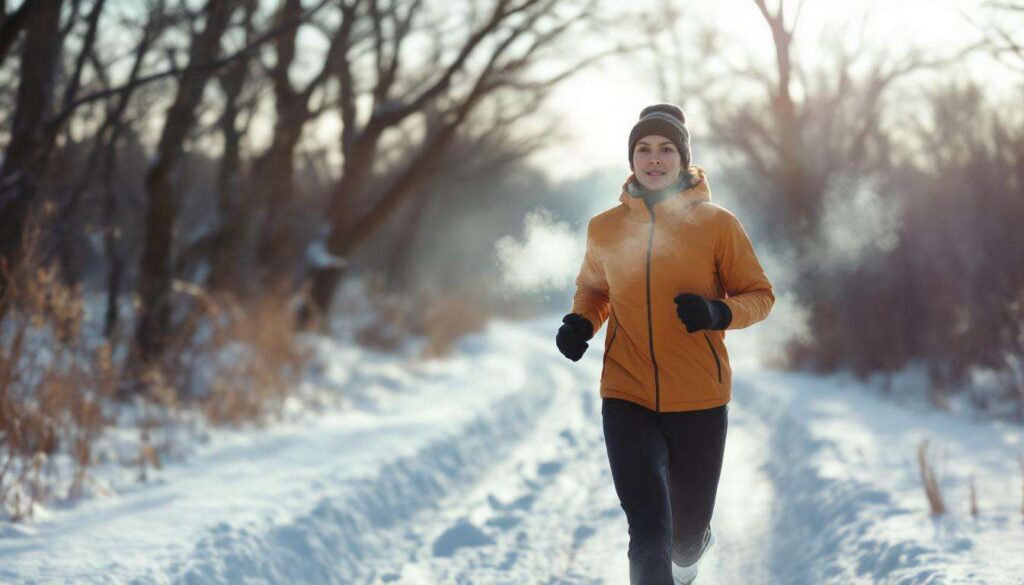
When temperatures drop and frost begins to settle, the temptation to retreat indoors becomes almost irresistible. Yet mounting evidence suggests that braving the cold for outdoor exercise delivers remarkable health advantages that extend far beyond simple fitness gains. Research demonstrates that winter workouts not only strengthen immune defences but also amplify calorie burning, making the colder months an unexpectedly optimal time for physical activity. Understanding the science behind these benefits can transform how we approach fitness during the coldest season.
The benefits of outdoor exercise for the immune system
Cold exposure activates immune responses
Exercising in cooler temperatures triggers physiological adaptations that enhance immune function. When the body encounters cold air, it responds by increasing the production of white blood cells, particularly lymphocytes and monocytes, which play crucial roles in fighting infections. This natural stress response strengthens the body’s defensive mechanisms over time, creating a more resilient immune system capable of warding off seasonal illnesses.
Studies have shown that regular cold exposure during physical activity can increase levels of certain immune markers by up to 30%, providing tangible protection against common winter ailments such as colds and influenza.
Sunlight exposure supports vitamin D production
Despite shorter days, outdoor winter exercise provides valuable exposure to natural sunlight, which remains essential for vitamin D synthesis. This vitamin functions as a critical immune regulator, supporting the production of antimicrobial peptides and modulating inflammatory responses. Even on overcast days, outdoor light exposure offers benefits that artificial indoor lighting simply cannot replicate.
- Enhanced production of T-cells that target pathogens
- Improved regulation of inflammatory responses
- Better absorption of calcium for bone health
- Elevated mood through increased serotonin production
Reduced pathogen exposure compared to indoor environments
Winter gyms and indoor fitness facilities often become breeding grounds for viruses and bacteria due to enclosed spaces and shared equipment. Outdoor exercise eliminates this concentrated exposure risk, as fresh air circulation naturally disperses pathogens. The combination of UV radiation from sunlight and open-air ventilation creates an environment far less conducive to viral transmission than heated indoor spaces packed with people.
This natural advantage becomes particularly relevant during peak cold and flu season, when indoor transmission rates soar. By choosing outdoor activities, exercisers significantly reduce their contact with infectious agents whilst simultaneously strengthening their immune defences.
Why winter is conducive to increased calorie expenditure
Thermogenesis and energy expenditure in cold conditions
The body’s response to cold temperatures involves thermogenesis, a metabolic process that generates heat to maintain core temperature. This mechanism requires substantial energy expenditure, meaning the same exercise performed in winter burns more calories than identical activity in warmer conditions. The body must work harder to maintain homeostasis, converting stored energy into heat whilst simultaneously fuelling muscular contractions.
| Activity | Calories burned (warm weather) | Calories burned (cold weather) | Percentage increase |
|---|---|---|---|
| Running (30 minutes) | 298 | 342 | 15% |
| Cycling (30 minutes) | 260 | 304 | 17% |
| Walking (30 minutes) | 140 | 165 | 18% |
Brown fat activation during cold exposure
Cold temperatures activate brown adipose tissue, a specialised fat that burns calories to produce heat rather than storing energy. Unlike white fat, which accumulates around the waist and organs, brown fat functions as a metabolic furnace. Regular cold exposure during exercise increases both the quantity and activity of brown fat, creating a more efficient calorie-burning system that continues working even at rest.
Research indicates that individuals who regularly exercise in cold conditions develop more active brown fat deposits, contributing to improved metabolic health and easier weight management throughout the year.
Increased cardiovascular effort in winter conditions
Cold air causes blood vessels to constrict, requiring the heart to work harder to pump blood throughout the body. This increased cardiovascular demand translates to higher calorie expenditure during the same duration and intensity of exercise. Additionally, breathing cold air requires the respiratory system to warm and humidify incoming oxygen, adding another layer of energy expenditure to winter workouts.
These physiological demands make winter exercise particularly effective for those seeking to enhance cardiovascular fitness whilst maximising calorie burn.
Adapting your training to winter conditions
Appropriate clothing strategies for cold weather workouts
Successful winter exercise begins with proper layering. The three-layer system provides optimal temperature regulation: a moisture-wicking base layer, an insulating middle layer, and a windproof outer shell. This configuration allows sweat to escape whilst retaining body heat and protecting against wind chill.
- Base layer: synthetic or merino wool materials that draw moisture away from skin
- Middle layer: fleece or lightweight insulated jacket for warmth retention
- Outer layer: breathable, water-resistant jacket to block wind and precipitation
- Extremities protection: thermal gloves, warm socks, and a hat covering ears
Modifying exercise intensity and duration
Winter conditions demand thoughtful adjustments to training programmes. Beginning with shorter sessions allows the body to acclimatise to cold exposure gradually. As adaptation occurs, duration and intensity can increase progressively. Many athletes find that interval training works particularly well in winter, as the varied intensity helps maintain body temperature whilst preventing overheating during recovery periods.
Monitoring perceived exertion becomes crucial, as cold air can mask fatigue signals. Paying attention to breathing patterns and muscular feedback helps prevent overexertion in challenging conditions.
Choosing suitable activities for winter outdoor exercise
Certain activities lend themselves particularly well to winter conditions. Running, cycling, hiking, and outdoor circuit training all offer excellent options, whilst activities like outdoor yoga or tai chi provide lower-intensity alternatives. The key lies in selecting pursuits that maintain sufficient movement to generate body heat without requiring excessive technical skill on potentially slippery surfaces.
Winter also presents unique opportunities for seasonal activities such as snowshoeing, cross-country skiing, or winter trail running, which provide variety whilst capitalising on the specific advantages of cold-weather exercise.
Precautions to take when exercising outdoors in winter
Recognising signs of cold-related health risks
Understanding the warning signs of hypothermia and frostbite remains essential for safe winter exercise. Hypothermia symptoms include intense shivering, confusion, slurred speech, and loss of coordination. Frostbite typically affects extremities first, causing numbness, white or greyish skin, and a waxy texture. Immediate action must be taken if these symptoms appear, including ceasing exercise and seeking warmth.
Prevention involves monitoring weather conditions before heading out and adjusting plans when temperatures drop to dangerous levels, particularly when combined with wind chill or precipitation.
Proper warm-up and cool-down protocols
Cold muscles are more susceptible to injury, making thorough warm-ups non-negotiable in winter. Spending 10-15 minutes on dynamic stretching and gradual movement indoors before venturing outside prepares muscles and joints for activity. Similarly, cooling down should begin outdoors with gentle movement, then transition indoors to prevent rapid temperature drops that can shock the system.
| Phase | Duration | Activities |
|---|---|---|
| Indoor warm-up | 10-15 minutes | Dynamic stretches, light cardio, joint mobilisation |
| Outdoor warm-up | 5 minutes | Gradual pace increase, movement-specific preparation |
| Main workout | Variable | Planned exercise activity |
| Cool-down | 10 minutes | Gradual intensity reduction, return indoors for stretching |
Hydration and nutrition considerations
Cold weather suppresses thirst signals, leading many to underestimate their hydration needs. However, winter exercise still causes significant fluid loss through respiration and perspiration. Maintaining regular fluid intake before, during, and after exercise prevents dehydration that can compromise both performance and immune function.
Nutritional needs also shift slightly, with increased calorie requirements to fuel both exercise and thermogenesis. Consuming adequate carbohydrates and healthy fats supports sustained energy production in cold conditions.
Tips to maximise the benefits of winter exercise
Consistency over intensity for immune benefits
Regular, moderate exercise provides superior immune benefits compared to sporadic intense sessions. Aiming for 30-45 minutes of outdoor activity most days of the week creates sustainable immune enhancement without the immunosuppression that can follow extremely demanding workouts. This consistency allows the body to adapt progressively to cold exposure whilst maintaining robust immune function.
Timing workouts for optimal conditions
Strategic scheduling maximises comfort and safety during winter exercise. Midday workouts capture peak temperatures and sunlight exposure, whilst early morning sessions suit those who tolerate cold well. Avoiding exercise during extreme weather events, particularly ice storms or severe wind chill, demonstrates prudent judgement rather than weakness.
- Check weather forecasts and wind chill factors before heading out
- Schedule workouts during daylight hours when possible for visibility and warmth
- Avoid exercising immediately after meals in very cold conditions
- Plan routes that offer shelter options if conditions deteriorate
Combining outdoor and indoor training strategically
A hybrid approach balances the benefits of outdoor exercise with the safety of indoor alternatives. On days with dangerous conditions, indoor workouts maintain fitness without unnecessary risk. This flexibility prevents extended breaks that could diminish the adaptations gained from regular cold exposure, whilst ensuring year-round training consistency.
Integrating strength training indoors complements outdoor cardiovascular work, creating a comprehensive fitness programme that leverages the unique advantages of each environment.
Winter exercise offers compelling advantages that extend well beyond conventional fitness gains. The immune system strengthens through cold exposure and reduced pathogen contact, whilst increased calorie expenditure supports metabolic health and weight management. By implementing proper clothing strategies, respecting safety precautions, and maintaining consistent training schedules, individuals can harness these benefits throughout the coldest months. Rather than viewing winter as an obstacle to fitness, recognising it as an opportunity for enhanced health outcomes transforms seasonal exercise from obligation to advantage. The combination of physiological adaptations, immune enhancement, and metabolic benefits makes outdoor winter activity a powerful tool for overall wellbeing.