



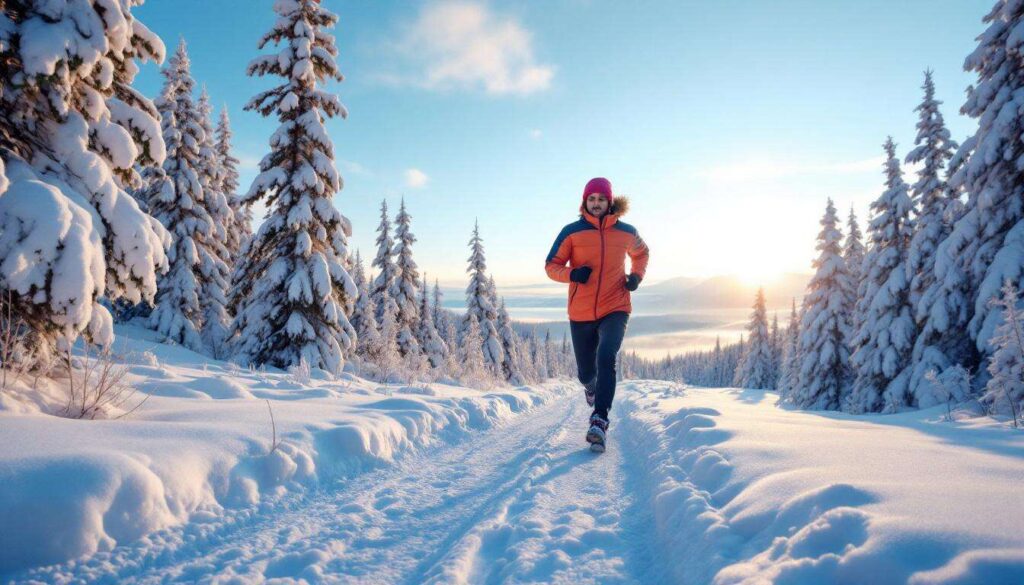
Winter temperatures transform ordinary exercise into a more demanding physical challenge. The body works harder to maintain its core temperature whilst simultaneously powering through movements, creating a unique metabolic environment that researchers have found can increase caloric expenditure by up to 20%. This phenomenon has captured the attention of fitness enthusiasts and scientists alike, prompting closer examination of how environmental conditions influence energy metabolism. Understanding these mechanisms and implementing proper safety measures can help individuals maximise their winter training whilst minimising risks associated with exercising in harsh conditions.
Understanding calorie expenditure in cold weather
How the body generates heat during exercise
The human body maintains a constant internal temperature of approximately 37 degrees Celsius regardless of external conditions. When exposed to cold environments, the body activates thermogenesis, a process that generates heat through metabolic activity. This mechanism requires additional energy beyond what exercise alone demands, resulting in increased calorie consumption.
During cold-weather workouts, the body employs two primary thermogenic responses:
- Shivering thermogenesis: involuntary muscle contractions that generate heat
- Non-shivering thermogenesis: metabolic processes in brown adipose tissue that produce warmth
- Increased cardiovascular activity to circulate warm blood to extremities
- Enhanced respiratory effort to warm inhaled air
Quantifying the caloric difference
Research conducted at various exercise physiology laboratories has documented measurable differences in energy expenditure between cold and moderate temperature workouts. The following table illustrates typical caloric burn rates across different conditions:
| Activity | Moderate temperature (20°C) | Cold temperature (0°C) | Percentage increase |
|---|---|---|---|
| Running (moderate pace) | 450 calories/hour | 520 calories/hour | 15.5% |
| Cycling | 380 calories/hour | 450 calories/hour | 18.4% |
| Walking briskly | 280 calories/hour | 330 calories/hour | 17.9% |
These variations depend on multiple factors including individual body composition, clothing insulation, wind chill, and exercise intensity. The metabolic advantage becomes particularly pronounced during sustained moderate-intensity activities where the body must continuously compensate for heat loss.
Beyond the immediate caloric impact, cold exposure influences how the body utilises different fuel sources, potentially shifting towards greater fat oxidation as the duration of exposure increases.
Why cold boosts metabolism
The role of brown adipose tissue
Unlike white adipose tissue that stores energy, brown adipose tissue specialises in burning calories to generate heat. Cold exposure activates this metabolically active tissue, which contains high concentrations of mitochondria. Recent studies have revealed that regular cold exposure can actually increase the volume and activity of brown fat in adults, creating a more metabolically efficient body composition over time.
Hormonal responses to cold
Cold temperatures trigger the release of specific hormones that influence metabolic rate:
- Norepinephrine: increases dramatically during cold exposure, stimulating both brown fat activity and overall metabolic rate
- Thyroid hormones: cold stress can enhance thyroid function, elevating baseline metabolism
- Irisin: a hormone released during exercise that may convert white fat to metabolically active beige fat
These hormonal adaptations create a compound effect where cold and exercise synergistically enhance metabolic activity beyond what either stimulus produces independently. The body essentially becomes a more efficient calorie-burning machine when challenged by both physical exertion and thermal stress.
This metabolic enhancement extends beyond the immediate workout period, with elevated calorie burning persisting during the recovery phase as the body restores normal temperature and repairs exercise-induced tissue damage.
The hidden benefits of winter exercise
Cardiovascular improvements
Cold-weather training provides unique cardiovascular adaptations. The heart must work harder to pump blood to extremities whilst maintaining core circulation, creating a natural resistance training effect for the cardiovascular system. This additional demand strengthens cardiac muscle and improves circulatory efficiency over time.
Mental resilience and mood enhancement
Exercising in challenging conditions builds psychological fortitude. The discipline required to venture outdoors in cold weather cultivates mental toughness that transfers to other life domains. Furthermore, cold exposure stimulates endorphin release, potentially providing greater mood elevation than indoor workouts. Many athletes report enhanced mental clarity and reduced symptoms of seasonal affective disorder when maintaining outdoor winter training routines.
Immune system modulation
Moderate cold exposure combined with exercise may strengthen immune function through several mechanisms:
- Increased circulation delivers immune cells more efficiently throughout the body
- Cold stress triggers adaptive responses that enhance cellular resilience
- Regular outdoor activity provides vitamin D exposure during winter months
- Improved sleep quality associated with outdoor exercise supports immune function
However, these benefits require careful balance, as excessive cold exposure or overtraining can temporarily suppress immune function, making proper precautions essential for realising these advantages.
Precautions to take for safe training
Recognising warning signs
Understanding the symptoms of cold-related conditions can prevent serious complications. Hypothermia begins with shivering, confusion, and loss of coordination, whilst frostbite manifests as numbness, white or greyish-yellow skin, and unusually firm or waxy texture in affected areas. Immediate action is required if these symptoms appear:
- Move to a warm environment immediately
- Remove wet clothing and replace with dry layers
- Warm the core first before extremities
- Seek medical attention for severe symptoms
Temperature and wind chill thresholds
Exercise safety depends not only on ambient temperature but also on wind speed, which dramatically increases heat loss. Most exercise physiologists recommend avoiding outdoor workouts when wind chill drops below minus 20 degrees Celsius. Between minus 10 and minus 20 degrees, workouts should be shortened and intensity carefully monitored.
Proper warm-up protocols
Cold muscles are more prone to injury, making extended warm-up periods crucial. Begin with dynamic movements indoors for 10 to 15 minutes before venturing outside, gradually increasing intensity. This approach raises core temperature and prepares muscles for the additional demands of cold-weather exercise whilst reducing injury risk.
Hydration remains equally important despite reduced thirst perception in cold weather, as respiratory water loss increases significantly when breathing cold, dry air.
Essential gear for effective winter workouts
Layering strategy
Proper clothing makes the difference between comfortable training and dangerous exposure. The three-layer system provides optimal temperature regulation:
- Base layer: moisture-wicking fabric that moves sweat away from skin
- Insulation layer: fleece or synthetic materials that trap warm air
- Outer layer: windproof and water-resistant shell that blocks elements
This system allows adjustment by removing or adding layers as body temperature fluctuates during exercise. Avoid cotton materials, which retain moisture and accelerate heat loss.
Protecting extremities
Hands, feet, and head lose heat disproportionately and require special attention. Quality gloves with moisture-wicking liners, insulated but breathable footwear, and hats covering ears prevent frostbite whilst maintaining comfort. Many athletes prefer mittens over gloves for superior warmth, and wool or synthetic blend socks prevent moisture accumulation that leads to cold feet.
Visibility and safety equipment
Winter’s reduced daylight hours necessitate reflective clothing and lighting. Headlamps, reflective vests, and clip-on lights ensure visibility to vehicles and other outdoor users. Additionally, carrying a charged mobile phone and informing someone of your route provides essential safety backup should conditions deteriorate or injury occur.
These equipment considerations extend beyond comfort to fundamental safety, enabling individuals to access the metabolic benefits of cold-weather exercise without unnecessary risk.
Examples of exercises suitable for the cold
Running and jogging
Running remains highly effective in cold weather, with the added metabolic boost making it particularly efficient for calorie burning. Start at a slightly reduced pace to allow gradual warm-up, and consider shorter intervals with higher intensity rather than prolonged steady-state efforts. Snow and ice require adjusted stride patterns with shorter steps and increased ground contact time for stability.
Cycling adaptations
Winter cycling demands specific modifications including lower tyre pressure for improved traction and protective eyewear against wind and debris. Fat-tyre bikes excel in snowy conditions, whilst traditional road bikes suit cleared paths. The increased wind chill during cycling makes layering particularly critical, with special attention to protecting hands and face.
Outdoor strength training
Bodyweight exercises and portable equipment enable effective strength workouts in cold weather:
- Press-ups and variations
- Squats and lunges
- Resistance band exercises
- Kettlebell circuits
- Pull-ups using park equipment
These activities benefit from the metabolic enhancement of cold exposure whilst building functional strength. Circuit-style training maintains elevated heart rate, maximising calorie burn whilst preventing excessive cooling between exercises.
Winter sports
Activities specifically designed for cold weather provide excellent fitness benefits. Cross-country skiing offers full-body cardiovascular training with minimal joint impact, whilst snowshoeing combines hiking benefits with increased resistance from snow depth. Ice skating develops balance and lower body strength whilst burning substantial calories through the combination of movement and cold exposure.
The metabolic advantages of cold-weather exercise extend across diverse activities, allowing individuals to select options matching their fitness levels, interests, and available environments whilst maintaining safety and effectiveness throughout winter months.