



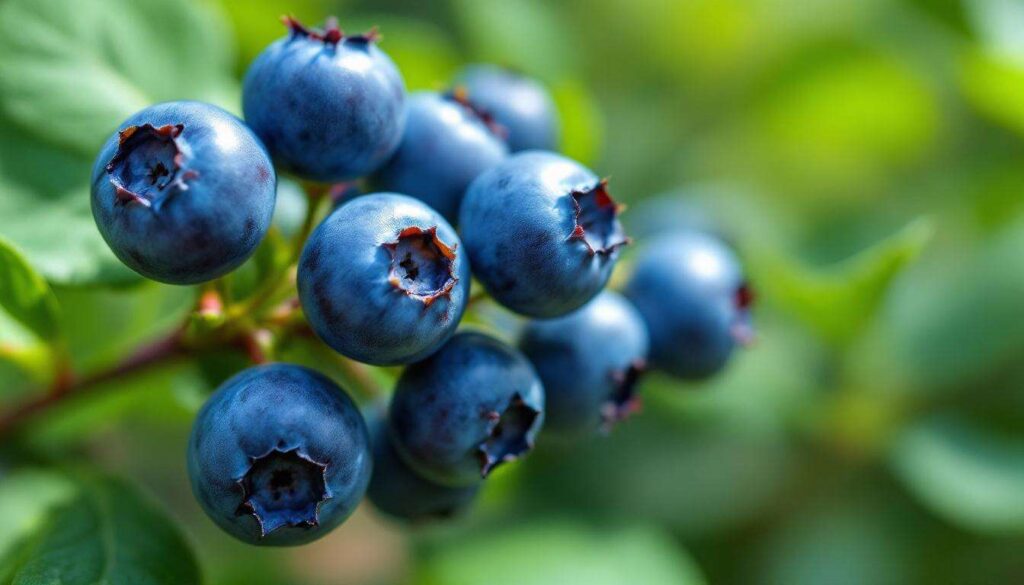
Recent scientific findings have placed wild blueberries at the forefront of heart-healthy nutrition, with comprehensive research highlighting their remarkable capacity to support cardiovascular function. These small, intensely flavoured berries, distinct from their cultivated counterparts, have emerged as a nutritional powerhouse backed by rigorous scientific investigation. The growing body of evidence suggests that regular consumption of wild blueberries may offer substantial protection against cardiovascular disease, one of the leading causes of mortality worldwide.
The cardiovascular health benefits of wild blueberries
Reducing arterial stiffness and improving blood flow
Wild blueberries have demonstrated significant effects on arterial health, particularly in reducing arterial stiffness, a key indicator of cardiovascular disease risk. Studies have shown that consumption of these berries can improve endothelial function, the ability of blood vessels to dilate and contract properly. This improvement in vascular flexibility contributes to better blood circulation throughout the body.
Lowering blood pressure naturally
Research indicates that wild blueberries may help regulate blood pressure through multiple mechanisms. The bioactive compounds present in these berries work to:
- enhance nitric oxide production, which relaxes blood vessels
- reduce oxidative stress on the cardiovascular system
- improve overall vascular health
- support healthy blood pressure maintenance
Cholesterol management and lipid profiles
Wild blueberries have been linked to favourable changes in cholesterol levels, particularly in reducing LDL cholesterol whilst maintaining or improving HDL cholesterol. This dual action helps create a healthier lipid profile, reducing the risk of atherosclerosis and subsequent cardiovascular events.
The extensive cardiovascular benefits documented in wild blueberries have prompted researchers to examine the underlying scientific evidence more systematically.
A scientific review confirms the positive impact
Methodology and scope of the review
The comprehensive scientific review analysed numerous clinical trials and observational studies examining the relationship between wild blueberry consumption and heart health. Researchers evaluated data from diverse populations, assessing various cardiovascular markers and outcomes. The review employed rigorous selection criteria to ensure only high-quality studies were included in the analysis.
Key findings from the research
The review revealed consistent positive outcomes across multiple studies. Participants who consumed wild blueberries regularly showed measurable improvements in cardiovascular function compared to control groups. The evidence demonstrated that even moderate consumption could yield significant benefits.
| Cardiovascular marker | Improvement observed |
|---|---|
| Arterial stiffness | Reduced by up to 6% |
| Blood pressure | Decreased systolic readings |
| LDL cholesterol | Lowered in regular consumers |
| Endothelial function | Significantly enhanced |
Scientific consensus and implications
The review has contributed to a growing scientific consensus regarding the cardioprotective properties of wild blueberries. Researchers concluded that incorporating these berries into regular dietary patterns could serve as an effective, natural strategy for cardiovascular disease prevention.
Understanding what makes wild blueberries particularly effective requires examining their unique chemical composition.
The active compounds in wild blueberries
Anthocyanins: the primary protective agents
Wild blueberries contain exceptionally high concentrations of anthocyanins, the pigments responsible for their deep blue-purple colour. These compounds possess powerful antioxidant properties that protect cardiovascular tissues from oxidative damage. Wild blueberries typically contain twice the anthocyanin content of cultivated varieties, making them particularly potent.
Polyphenols and flavonoids
Beyond anthocyanins, wild blueberries are rich in various polyphenolic compounds that contribute to their cardiovascular benefits. These include:
- quercetin, which supports vascular health
- resveratrol, known for anti-inflammatory effects
- chlorogenic acid, which aids metabolic function
- catechins, which protect against oxidative stress
Synergistic effects of multiple compounds
The combination of bioactive compounds in wild blueberries appears to work synergistically, creating effects greater than any single compound could achieve alone. This natural complexity makes whole food consumption more effective than isolated supplement forms.
Whilst wild blueberries demonstrate impressive cardiovascular benefits, examining how they compare to other recognised heart-healthy foods provides valuable context.
Comparison with other heart-healthy foods
Wild blueberries versus cultivated berries
Wild blueberries possess distinct advantages over their cultivated counterparts. Their smaller size means a higher skin-to-flesh ratio, concentrating beneficial compounds in the skin. The nutritional density of wild blueberries surpasses cultivated varieties in most measured parameters.
Berries compared to other fruits
When evaluated against other fruits recognised for cardiovascular benefits, wild blueberries consistently rank highly. Their antioxidant capacity exceeds that of many common fruits, including apples, oranges, and grapes.
| Food | Antioxidant score | Anthocyanin content |
|---|---|---|
| Wild blueberries | Very high | Exceptional |
| Cultivated blueberries | High | Moderate |
| Strawberries | Moderate | Low |
| Apples | Moderate | Minimal |
Complementary heart-healthy foods
Whilst wild blueberries offer remarkable benefits, they work best as part of a comprehensive heart-healthy diet including fatty fish, nuts, whole grains, and leafy vegetables. Each food category contributes unique protective compounds.
Recognising the benefits of wild blueberries naturally leads to practical considerations about incorporating them into daily eating patterns.
Tips for incorporating blueberries into a balanced diet
Recommended serving sizes and frequency
Research suggests that consuming one to two cups of wild blueberries per week can provide measurable cardiovascular benefits. For optimal results, regular consumption is more important than occasional large quantities.
Fresh, frozen, and dried options
Wild blueberries retain their nutritional value across different preservation methods:
- fresh wild blueberries offer peak flavour and texture
- frozen berries maintain anthocyanin content effectively
- freeze-dried options provide concentrated nutrition
- dried blueberries offer convenience but contain added sugars
Creative ways to enjoy wild blueberries
Incorporating wild blueberries into meals requires minimal effort. They can be added to breakfast porridge, blended into smoothies, mixed into yoghurt, or eaten as a standalone snack. Baking with wild blueberries preserves much of their nutritional value whilst creating enjoyable treats.
As evidence mounts regarding the cardiovascular benefits of wild blueberries, researchers are identifying new avenues for investigation.
Future perspectives for research on wild blueberries
Long-term cardiovascular outcomes
Future studies will likely focus on extended observation periods to determine whether lifelong wild blueberry consumption reduces actual cardiovascular events such as heart attacks and strokes, beyond improving intermediate markers.
Personalised nutrition approaches
Emerging research may reveal how genetic variations influence individual responses to wild blueberry compounds, potentially leading to personalised dietary recommendations based on genetic profiles.
Therapeutic applications and standardisation
Scientists are exploring whether concentrated wild blueberry extracts could serve as complementary therapies alongside conventional cardiovascular treatments. Standardising dosages and delivery methods remains an important research priority.
The substantial body of scientific evidence now positions wild blueberries as a standout food for cardiovascular health. Their unique concentration of anthocyanins and polyphenolic compounds delivers measurable benefits to arterial function, blood pressure, and cholesterol profiles. The comprehensive review confirming these effects provides compelling justification for incorporating wild blueberries into regular dietary patterns. Whilst they complement rather than replace other heart-healthy foods, their exceptional nutritional density and accessibility make them a practical choice for those seeking natural cardiovascular protection. As research continues to unveil new dimensions of their health-promoting properties, wild blueberries remain a scientifically validated option for supporting long-term heart health.