



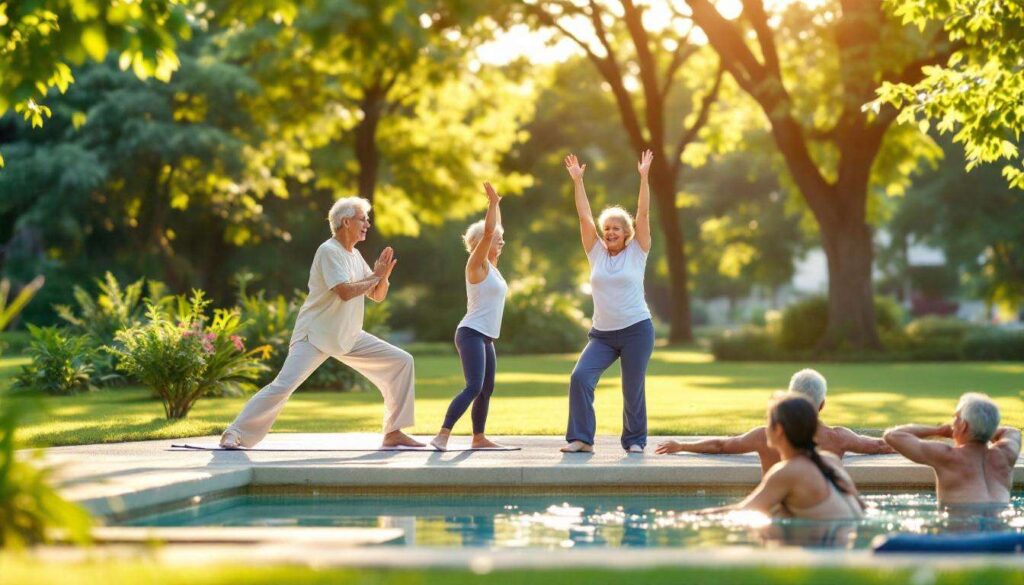
Maintaining physical fitness becomes increasingly important as we age, particularly for those over 50 who may notice a decline in muscle tone and overall strength. Whilst squats have long been championed as a cornerstone exercise for building lower body strength, they are not always the most suitable option for older adults. Joint strain, balance concerns, and the risk of injury can make traditional squats less appealing or even counterproductive. Fortunately, there are alternative morning exercises that can rebuild muscle tone more effectively and safely, offering a gentler yet powerful approach to fitness.
Why prioritise morning exercises after 50
Exercising in the morning offers distinct advantages for individuals over 50, particularly when it comes to rebuilding and maintaining muscle tone. The body’s natural rhythms and hormonal fluctuations make the morning an optimal time for physical activity.
Enhanced metabolic response
Morning workouts can kickstart metabolism for the entire day, helping to burn calories more efficiently. After 50, metabolic rates naturally slow down, making it crucial to engage in activities that counteract this decline. Early exercise stimulates the body’s energy systems and promotes better glucose regulation throughout the day.
Improved consistency and adherence
Establishing a morning routine reduces the likelihood of skipping workouts due to unexpected commitments or fatigue later in the day. Studies suggest that people who exercise in the morning are more likely to maintain their fitness regimen over time. This consistency is particularly valuable for older adults seeking sustainable improvements in muscle tone and overall health.
Joint lubrication and mobility benefits
Gentle morning movement helps to lubricate joints and improve flexibility, which can alleviate stiffness commonly experienced by those over 50. Starting the day with targeted exercises prepares the body for daily activities and reduces the risk of injury throughout the day.
Understanding these benefits sets the foundation for exploring specific exercises that can deliver results without the potential drawbacks of traditional squats.
The benefits of alternative exercises for those over 50
Alternative exercises to squats offer tailored advantages that address the specific needs and limitations faced by older adults whilst still delivering excellent results for muscle tone and strength.
Reduced joint stress
Many alternative exercises place less strain on the knees, hips, and lower back compared to traditional squats. This is particularly important for individuals with arthritis, previous injuries, or general wear and tear on joints. By choosing exercises that distribute load more evenly or focus on different muscle groups, older adults can build strength without exacerbating existing conditions.
Improved functional fitness
The following benefits make alternative exercises particularly valuable:
- Enhanced balance and coordination for daily activities
- Better core stability reducing fall risk
- Increased flexibility and range of motion
- Improved posture and spinal alignment
- Greater muscular endurance for sustained activities
Versatility and accessibility
Alternative exercises often require minimal equipment and can be easily modified to suit individual fitness levels. This accessibility encourages regular practice and progression at a comfortable pace, essential factors for long-term success in rebuilding muscle tone after 50.
With these advantages in mind, let us examine specific exercises that exemplify these principles, beginning with the knee raise.
Knee raise: an ally for muscle tone
The knee raise is a deceptively simple yet highly effective exercise for rebuilding muscle tone, particularly in the lower body and core, without placing excessive stress on joints.
Proper execution technique
To perform a standing knee raise correctly, stand with feet hip-width apart and engage the core muscles. Slowly lift one knee towards the chest whilst maintaining balance, hold briefly, then lower with control. Alternate legs for the desired number of repetitions. For added stability, perform the exercise near a wall or sturdy surface for support.
Targeted muscle groups
| Muscle Group | Primary Benefit | Functional Impact |
|---|---|---|
| Hip flexors | Improved mobility | Easier stair climbing |
| Core muscles | Enhanced stability | Better posture |
| Quadriceps | Increased strength | Improved walking endurance |
| Balance muscles | Coordination | Reduced fall risk |
Progression options
As strength improves, knee raises can be made more challenging by adding ankle weights, increasing hold time at the top position, or performing the exercise on an unstable surface. These progressions ensure continued adaptation and muscle development over time.
Building upon the foundation of lower body and core engagement, the next exercise takes stability and strength to a comprehensive level.
The plank: strengthen the body gently
The plank is a foundational exercise that engages multiple muscle groups simultaneously whilst placing minimal stress on joints, making it ideal for those over 50 seeking to rebuild muscle tone.
Correct plank positioning
Begin in a forearm plank position with elbows directly beneath shoulders, forearms flat on the ground, and body forming a straight line from head to heels. Engage the core, squeeze the glutes, and maintain neutral spine alignment. Avoid letting the hips sag or pike upwards. Start with shorter holds and gradually increase duration as strength improves.
Full-body engagement benefits
The plank offers remarkable advantages for older adults:
- Strengthens deep core muscles that support the spine
- Improves shoulder stability and upper body endurance
- Engages leg muscles without joint compression
- Enhances mind-muscle connection and body awareness
- Builds isometric strength applicable to daily activities
Modifications for different fitness levels
For beginners or those with limited upper body strength, performing planks from the knees reduces intensity whilst maintaining proper form. Wall planks offer another accessible variation, allowing individuals to build strength gradually before progressing to floor-based versions. Side planks can be incorporated to target oblique muscles and improve lateral stability.
Whilst the plank focuses on static strength, the following exercise introduces dynamic movement to target the posterior chain effectively.
The bridge exercise: sculpting and stability
The bridge exercise is a powerful tool for rebuilding muscle tone in the glutes, hamstrings, and lower back whilst simultaneously improving hip mobility and spinal stability.
Step-by-step execution
Lie on your back with knees bent and feet flat on the floor, positioned hip-width apart. Arms rest alongside the body with palms facing down. Press through the heels to lift the hips towards the ceiling, creating a straight line from shoulders to knees. Squeeze the glutes at the top position, hold briefly, then lower with control. Avoid overarching the lower back or pushing the hips too high.
Muscle activation and functional benefits
| Target Area | Strength Benefit | Daily Life Application |
|---|---|---|
| Gluteus maximus | Hip extension power | Rising from chairs |
| Hamstrings | Posterior chain strength | Walking and climbing |
| Lower back | Spinal support | Maintaining posture |
| Core stabilisers | Pelvic control | Balance and coordination |
Advanced variations
To increase challenge, try single-leg bridges, which dramatically increase glute activation and balance demands. Placing a resistance band around the thighs adds lateral tension, engaging hip abductors. Holding a weight on the hips provides progressive overload for continued strength gains. These variations ensure the exercise remains effective as fitness improves.
Complementing lower body and core work, the next exercise shifts focus to the upper body for comprehensive muscle tone development.
The bench press: for a firmer torso
The bench press, when performed with appropriate weight and proper form, offers exceptional benefits for rebuilding upper body muscle tone in individuals over 50, particularly targeting the chest, shoulders, and triceps.
Safe execution for older adults
Begin by lying on a flat bench with feet firmly planted on the floor. Grip the barbell slightly wider than shoulder-width, unrack the weight, and lower it slowly to the chest whilst keeping elbows at approximately 45 degrees from the body. Press the weight back up in a controlled manner, avoiding locking out the elbows completely. For those new to the exercise or with shoulder concerns, dumbbells offer greater freedom of movement and reduced joint stress.
Upper body strength advantages
The bench press delivers multiple benefits specifically valuable for older adults:
- Rebuilds chest muscle mass that naturally declines with age
- Strengthens shoulders for improved functional pushing movements
- Develops triceps essential for daily activities
- Enhances bone density in the upper body through resistance training
- Improves upper body posture and reduces rounded shoulder tendency
Adaptations and safety considerations
Starting with lighter weights and higher repetitions helps rebuild neuromuscular connections before progressing to heavier loads. Using a spotter or safety bars ensures confidence and prevents injury. Incline bench press variations reduce shoulder strain whilst still effectively targeting chest muscles. Machine-based chest press alternatives provide guided movement patterns ideal for those rebuilding strength after extended inactivity.
Having explored individual exercises, it becomes essential to understand how these movements fit within a broader fitness strategy.
The importance of a balanced exercise routine after 50
Whilst individual exercises offer specific benefits, creating a well-rounded routine is crucial for sustainable muscle tone improvement and overall health maintenance for those over 50.
Incorporating variety and progression
A balanced routine should include exercises targeting all major muscle groups, performed two to three times weekly with adequate recovery between sessions. Combining the five exercises discussed creates a comprehensive programme addressing lower body, core, and upper body strength. Progression should be gradual, increasing either repetitions, duration, or resistance by small increments to avoid overtraining or injury.
Complementary fitness components
Beyond strength training, a complete fitness approach includes:
- Cardiovascular exercise for heart health and endurance
- Flexibility work to maintain range of motion
- Balance training to prevent falls
- Adequate rest and recovery periods
- Proper nutrition supporting muscle repair and growth
Monitoring and adjusting
Regular assessment of progress helps maintain motivation and ensures the routine remains appropriately challenging. Keeping a simple exercise log tracks improvements in strength, endurance, and overall wellbeing. Consulting with healthcare providers or qualified fitness professionals ensures the programme remains safe and effective, particularly for individuals with pre-existing conditions or specific health concerns.
Rebuilding muscle tone after 50 requires a thoughtful approach that prioritises safety, consistency, and progressive challenge. The five morning exercises presented offer effective alternatives to traditional squats, each delivering specific benefits whilst minimising joint stress and injury risk. Knee raises improve lower body mobility and balance, planks build comprehensive core strength, bridges target the posterior chain, and bench presses develop upper body firmness. When incorporated into a balanced routine that includes variety, proper progression, and adequate recovery, these exercises provide a sustainable path to improved muscle tone, functional fitness, and enhanced quality of life for individuals over 50. The key lies not in pursuing intensity at all costs, but in maintaining consistent practice with exercises that respect the body’s changing needs whilst still challenging it to adapt and grow stronger.