


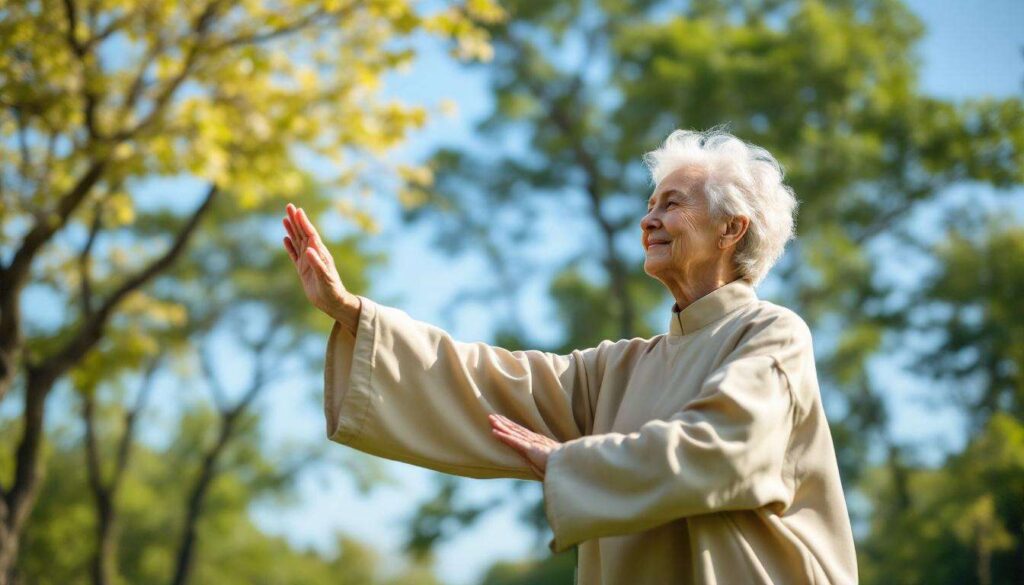
After decades of pushing myself through high-intensity exercise routines, I made a decision that surprised my family and friends. At 62, I walked away from the gym and embraced tai chi, an ancient Chinese practice known for its slow, flowing movements. Within weeks, my blood pressure readings showed remarkable improvement, validating what I had hoped would be a gentler path to maintaining my health. This personal journey revealed how sometimes the most profound changes come not from pushing harder, but from moving with greater awareness and intention.
Introduction to tai chi: a beneficial change of pace
Tai chi represents a centuries-old martial art that has evolved into a widely practised form of exercise emphasising slow, deliberate movements and deep breathing. Often described as meditation in motion, this practice combines physical activity with mindfulness, creating a holistic approach to wellness that differs dramatically from conventional fitness regimes.
Understanding the fundamentals of tai chi
The practice involves performing a series of postures or movements in a slow, graceful manner, with each position flowing seamlessly into the next. Practitioners maintain continuous motion throughout their sessions, which can last anywhere from 15 minutes to an hour. The movements are typically circular and never forced, with muscles relaxed rather than tensed, and joints not fully extended or bent.
Key principles that define tai chi include:
- Maintaining proper body alignment and posture throughout each movement
- Coordinating breath with physical motion to enhance relaxation
- Focusing mental attention on the present moment and bodily sensations
- Moving with intention and awareness rather than speed or force
- Cultivating a sense of rootedness whilst maintaining fluid mobility
Different styles and approaches
Several distinct styles of tai chi have developed over the centuries, each with its own characteristics and emphasis. The Yang style remains the most popular globally, characterised by slow, expansive movements ideal for beginners. The Chen style incorporates faster movements and occasional bursts of energy, whilst the Wu style features smaller, more compact movements particularly suited to those with limited space or mobility concerns.
Regardless of style, all forms share the fundamental principles of mindful movement and breath control. These shared foundations make tai chi an accessible practice that adapts well to individual needs and physical capabilities, setting the stage for exploring its particular advantages for older adults.
The health benefits of tai chi for seniors
Research has consistently demonstrated that tai chi offers substantial health advantages for older adults, addressing many of the physical and mental challenges associated with ageing. The practice provides a low-impact alternative to more strenuous exercise whilst delivering measurable improvements across multiple health indicators.
Physical improvements and mobility enhancement
Regular tai chi practice strengthens the muscles surrounding joints without placing excessive stress on them, making it particularly valuable for individuals with arthritis or joint concerns. The weight-shifting movements inherent to tai chi improve balance and coordination, significantly reducing fall risk amongst seniors.
| Health aspect | Improvement observed | Timeframe |
|---|---|---|
| Balance and stability | 25-30% reduction in fall risk | 12-16 weeks |
| Muscle strength | 15-20% increase in lower body strength | 8-12 weeks |
| Flexibility | Noticeable improvement in range of motion | 6-8 weeks |
| Cardiovascular function | Improved heart rate variability | 4-6 weeks |
Mental and emotional wellbeing
Beyond physical benefits, tai chi cultivates mental clarity and emotional balance. The meditative aspects of the practice help reduce stress hormones, lower anxiety levels, and improve overall mood. Many practitioners report better sleep quality, enhanced cognitive function, and a greater sense of calm in their daily lives.
The social dimension of attending tai chi classes also combats isolation, providing opportunities for connection and community amongst peers. These combined physical, mental, and social benefits create a comprehensive wellness approach particularly suited to the needs of older adults, which naturally led me to reconsider my own exercise habits.
How tai chi replaced my intense workouts
My fitness journey had always centred on intensity and pushing limits. For years, I maintained a rigorous schedule of high-impact aerobics, weight training, and running, believing that vigorous exercise was the only path to maintaining health. However, as I entered my sixties, my body began sending increasingly clear signals that this approach was no longer sustainable.
Recognising the need for change
Persistent joint pain, longer recovery times, and mounting fatigue forced me to acknowledge that my traditional workout routine was becoming counterproductive. My knees protested after runs, my shoulders ached following weight sessions, and the overall exhaustion I felt seemed disproportionate to the benefits I was receiving.
Several factors prompted my decision to explore alternatives:
- Chronic inflammation that refused to subside despite rest periods
- Elevated blood pressure readings that concerned my doctor
- Diminishing enthusiasm for workouts I once enjoyed
- Increasing injury risk that limited my activity choices
- Recognition that sustainable health required a long-term approach
Making the transition to gentler movement
A friend suggested I attend a tai chi class at our local community centre, and despite initial scepticism about whether such gentle exercise could provide real benefits, I decided to give it a trial. The first session challenged my preconceptions immediately. Although the movements appeared simple, maintaining proper form and coordination required considerable concentration and control.
Initially, I struggled with the slow pace, my mind racing ahead whilst my body attempted to follow the instructor’s measured demonstrations. Gradually, however, I began to appreciate the subtle complexity of tai chi. The practice demanded a different kind of strength—one that came from stability, control, and awareness rather than force or speed.
Within a month, I had completely replaced my gym sessions with daily tai chi practice, supplemented by occasional gentle walks. This fundamental shift in my approach to movement created the foundation for the cardiovascular improvements I would soon experience.
The impact of tai chi on cardiovascular health
Cardiovascular disease remains the leading cause of death globally, making heart health a critical concern for individuals in their sixties and beyond. Whilst I had always exercised partly to maintain cardiovascular fitness, my high-intensity approach had paradoxically contributed to elevated blood pressure readings that placed me in a concerning category.
Understanding the cardiovascular mechanisms
Tai chi influences cardiovascular health through multiple pathways. The continuous, flowing movements provide moderate aerobic exercise that strengthens the heart without triggering the stress response associated with intense workouts. The deep, diaphragmatic breathing practised throughout sessions increases oxygen uptake and improves circulation.
Research has identified several specific cardiovascular benefits:
- Reduced arterial stiffness, allowing blood vessels to respond more flexibly to changing demands
- Improved endothelial function, enhancing the blood vessels’ ability to dilate and contract
- Decreased sympathetic nervous system activity, reducing the body’s stress response
- Enhanced heart rate variability, indicating better cardiovascular adaptability
- Lowered inflammation markers associated with cardiovascular disease
The stress reduction connection
Perhaps most significantly, tai chi addresses the stress component of cardiovascular disease. Chronic stress elevates cortisol levels, increases blood pressure, and promotes inflammation throughout the cardiovascular system. The meditative quality of tai chi activates the parasympathetic nervous system, triggering the body’s relaxation response and counteracting these harmful effects.
My own experience reflected this stress-reducing benefit profoundly. The mental quietness I achieved during practice extended into my daily life, helping me respond to challenges with greater calm. This shift in my stress response proved instrumental in the blood pressure improvements I would soon document.
Visible results: lowered blood pressure
Three weeks into my tai chi practice, I visited my doctor for a routine check-up. When the nurse took my blood pressure reading, she checked it twice, then called the doctor to verify. My systolic pressure had dropped by 12 points, and my diastolic reading had decreased by 8 points—a clinically significant improvement that neither of us had expected so quickly.
Tracking the improvements
Encouraged by this initial result, I began monitoring my blood pressure regularly at home. The readings consistently showed improvement, with my average blood pressure moving from the Stage 1 hypertension range into the elevated category, then gradually approaching normal levels.
| Time period | Average systolic | Average diastolic | Category |
|---|---|---|---|
| Before tai chi | 142 mmHg | 91 mmHg | Stage 1 hypertension |
| After 3 weeks | 130 mmHg | 83 mmHg | Elevated |
| After 8 weeks | 124 mmHg | 79 mmHg | Elevated/Normal |
| After 12 weeks | 118 mmHg | 76 mmHg | Normal |
Additional health markers
The blood pressure improvements came alongside other positive changes. My resting heart rate decreased from 78 to 65 beats per minute, indicating improved cardiovascular efficiency. I noticed better sleep quality, waking fewer times during the night and feeling more refreshed in the morning. The chronic inflammation that had plagued my joints diminished noticeably, and I experienced greater overall energy throughout the day.
My doctor attributed these improvements to the combined effects of reduced stress, improved circulation, and the gentle cardiovascular conditioning that tai chi provided. She encouraged me to continue the practice and noted that if my blood pressure remained stable, we might consider reducing my medication dosage in future. These tangible results reinforced my commitment to maintaining tai chi as a permanent part of my lifestyle.
Incorporating tai chi into daily routine
Sustaining any new practice requires practical strategies for integration into daily life. I discovered that consistency mattered more than duration, and that creating supportive habits made regular practice feel natural rather than burdensome.
Establishing a sustainable practice schedule
I began with 20-minute sessions each morning, practising in my garden when weather permitted or in my living room during inclement conditions. This modest time commitment felt manageable and allowed me to build the habit without overwhelming my schedule. As the practice became established, I gradually extended sessions to 30-40 minutes and occasionally attended community classes for additional guidance and social connection.
Practical tips for maintaining regular practice include:
- Designating a specific time and location for daily practice to establish routine
- Starting with shorter sessions and gradually increasing duration as comfort develops
- Using online videos or apps for guidance when attending classes isn’t feasible
- Practising outdoors when possible to enhance the meditative experience
- Joining a class or practice group for motivation and community support
- Keeping comfortable, loose-fitting clothing readily available to remove barriers
Adapting practice to individual needs
One of tai chi’s greatest strengths lies in its adaptability to individual circumstances. On days when energy felt low, I modified movements to be smaller and gentler. When feeling more vigorous, I deepened stances and expanded the range of motion. This flexibility allowed me to maintain consistency regardless of daily variations in energy or physical comfort.
I also discovered that brief tai chi sessions throughout the day provided benefits beyond formal practice periods. Taking five minutes to perform a few movements during work breaks helped maintain mental clarity and physical ease, extending the practice’s benefits throughout my waking hours.
The journey from intense workouts to tai chi transformed not only my blood pressure readings but my entire relationship with movement and health. What began as a reluctant experiment evolved into a sustainable practice that honours my body’s changing needs whilst delivering measurable health improvements. The gentle power of tai chi demonstrates that effective exercise need not punish the body, and that sometimes the most profound strength comes from moving with awareness rather than force.