



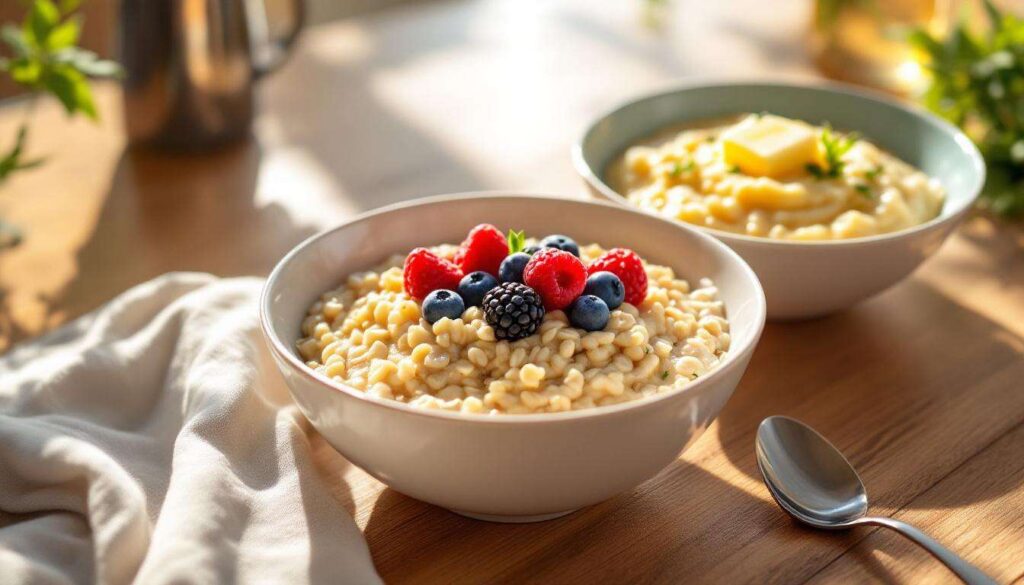
Choosing the right breakfast can set the tone for the entire day, particularly when health goals such as blood sugar control, digestive wellness, and sustained energy are priorities. Two popular morning staples often find themselves at the centre of this debate: oatmeal and grits. Both are cereal-based dishes with distinct nutritional profiles, cultural roots, and health implications. For those managing diabetes, seeking higher fibre intake, or aiming to maintain muscle mass, understanding the differences between these two options becomes essential. This comparison delves into their nutritional compositions, effects on blood glucose levels, fibre contributions, protein content, and how lifestyle factors and added ingredients can influence their overall health benefits.
Oatmeal vs. grits: a nutritional comparison
Macronutrient breakdown
The foundational difference between oatmeal and grits lies in their macronutrient composition. Oatmeal, derived from whole oats, delivers approximately 4 grams of fibre per cooked cup, alongside higher protein and calorie content. Grits, made from ground maize, provide roughly 2 grams of fibre per cup and contain fewer calories and protein. This disparity makes oatmeal a more nutrient-dense option for individuals seeking sustained energy and satiety throughout the morning.
The caloric difference between these two breakfast choices is noteworthy. Oatmeal typically contains more calories due to its higher fat and protein content, which can be advantageous for those requiring long-lasting energy or engaging in physical activity. Grits, being lighter in calories, may appeal to individuals focused on weight management or those preferring a less filling breakfast option.
Micronutrient profiles
Beyond macronutrients, the vitamin and mineral content of oatmeal and grits reveals distinct advantages. Oatmeal stands out for its richness in B vitamins, particularly B1, B3, and B6, which play crucial roles in energy metabolism and nervous system function. These vitamins support the body’s ability to convert food into usable energy, making oatmeal particularly beneficial for maintaining vitality throughout the day.
Grits, however, offer their own micronutrient strengths:
- Higher iron content, supporting oxygen transport in the blood
- Carotenoids such as lutein and zeaxanthin, promoting eye health
- Enriched varieties may contain added vitamins and minerals
- Lower overall vitamin B content compared to oatmeal
| Nutrient | Oatmeal (per cup) | Grits (per cup) |
|---|---|---|
| Fibre | 4g | 2g |
| Protein | Higher | Lower |
| B vitamins | Rich | Moderate |
| Iron | Moderate | Higher |
These nutritional distinctions set the stage for understanding how each breakfast option affects specific health markers, particularly blood glucose regulation.
Impact on blood sugar: who comes out on top ?
Understanding the glycaemic index
The glycaemic index measures how quickly carbohydrate-containing foods raise blood glucose levels after consumption. Oatmeal typically registers a lower glycaemic index compared to grits, indicating a more gradual release of glucose into the bloodstream. This characteristic makes oatmeal particularly advantageous for individuals managing diabetes or those concerned about blood sugar spikes following meals.
The slower digestion rate of oatmeal can be attributed to its higher fibre content, which forms a gel-like substance in the digestive tract. This process delays gastric emptying and slows the absorption of glucose, resulting in more stable blood sugar levels. Grits, with their lower fibre content and different starch structure, tend to be digested more rapidly, potentially causing sharper rises in blood glucose.
Practical implications for diabetes management
For those monitoring blood sugar levels, the choice between oatmeal and grits carries meaningful implications. Oatmeal’s ability to provide steady energy without dramatic glucose fluctuations makes it a preferred option among healthcare professionals advising individuals with diabetes. The sustained release of energy can also help prevent the mid-morning energy crashes that often follow high-glycaemic breakfasts.
However, grits need not be entirely dismissed from a diabetes-friendly diet. Strategic preparation methods can moderate their glycaemic impact:
- Choosing stone-ground or whole-grain grits over instant varieties
- Pairing grits with protein sources such as eggs or cheese
- Adding vegetables to increase fibre content
- Controlling portion sizes to limit carbohydrate intake
These blood sugar considerations connect closely with another vital aspect of breakfast nutrition: the role of dietary fibre in digestive health.
Fibre: a boost for morning digestion
The digestive benefits of dietary fibre
Dietary fibre serves multiple functions beyond blood sugar regulation. The 4 grams of fibre found in a cup of oatmeal contribute significantly to daily fibre requirements, supporting regular bowel movements and promoting a healthy gut microbiome. Soluble fibre, abundant in oatmeal, dissolves in water to form a viscous gel that can help lower cholesterol levels and improve cardiovascular health.
Grits, with approximately half the fibre content of oatmeal, provide less support for digestive regularity. This difference becomes particularly relevant for individuals struggling with constipation or seeking to improve their overall gut health. The prebiotic properties of oat fibre also nourish beneficial gut bacteria, potentially enhancing immune function and reducing inflammation.
Meeting daily fibre targets
Health authorities recommend adults consume between 25 and 30 grams of fibre daily, yet many fall short of this target. Starting the day with a high-fibre breakfast like oatmeal can provide a substantial foundation towards meeting this goal. The fibre in oatmeal also contributes to feelings of fullness, which naturally leads to considerations about protein content and satiety.
Proteins: which breakfast keeps you fuller for longer ?
Protein content and satiety
Oatmeal contains notably more protein than grits, making it superior for promoting satiety and supporting muscle maintenance. Protein triggers the release of hormones that signal fullness to the brain, helping to reduce mid-morning snacking and supporting weight management efforts. For individuals engaged in regular physical activity or those seeking to preserve lean muscle mass, the additional protein in oatmeal offers clear advantages.
Grits, while lower in inherent protein, can be enhanced through thoughtful preparation. Adding protein-rich toppings transforms grits into a more balanced meal:
- Poached or fried eggs for high-quality protein
- Cheese for both protein and calcium
- Greek yoghurt as a creamy, protein-rich addition
- Nuts or seeds for plant-based protein and healthy fats
Long-term energy provision
The combination of protein and fibre in oatmeal creates a synergistic effect that sustains energy levels for hours. This extended satiety can prevent the energy dips that often lead to poor food choices later in the day. The slower digestion of protein-rich foods also means a more gradual release of amino acids, supporting various bodily functions throughout the morning.
These nutritional considerations ultimately intersect with individual lifestyle factors and personal health objectives.
The healthiest choice for your lifestyle
Aligning breakfast with personal goals
The determination of which breakfast option reigns supreme depends heavily on individual health priorities and lifestyle factors. Athletes or physically active individuals may benefit from oatmeal’s higher calorie and protein content, which supports muscle recovery and sustained energy during workouts. Conversely, those following lower-calorie eating patterns might prefer grits as a lighter breakfast option that still provides carbohydrate energy.
Cultural preferences and taste also play legitimate roles in this decision. Grits hold deep cultural significance in certain regions and can be part of balanced, health-conscious eating when prepared thoughtfully. The key lies in understanding how to optimise whichever option aligns with personal preferences and nutritional needs.
Practical preparation strategies
Regardless of choice, preparation methods significantly influence the health value of both oatmeal and grits. Opting for steel-cut or rolled oats rather than instant varieties preserves more nutrients and provides better blood sugar control. Similarly, choosing stone-ground grits over instant versions maintains more of the grain’s natural nutritional profile.
Both options benefit from mindful topping selections, though the ingredients added can dramatically alter their nutritional impact.
Influence of additives on health
The sugar trap
Even the most nutritious breakfast can be undermined by excessive sugar additions. Many commercially prepared instant oatmeal packets contain substantial amounts of added sugars, which negate the blood sugar benefits of the oats themselves. Similarly, grits served with butter and syrup transform from a modest breakfast into a high-calorie, high-glycaemic meal that offers little nutritional value.
Healthier sweetening alternatives include:
- Fresh or frozen berries for natural sweetness and antioxidants
- Cinnamon to enhance flavour without calories
- A small amount of honey or maple syrup for controlled sweetness
- Mashed banana for natural sweetness and potassium
Balancing flavour and nutrition
The challenge lies in creating flavourful breakfasts that remain nutritionally sound. For oatmeal, adding nuts, seeds, and fruit provides texture, taste, and additional nutrients without compromising health benefits. Grits can be enhanced with sautéed vegetables, herbs, and modest amounts of cheese to create a savoury, satisfying meal that supports rather than hinders health goals.
Ultimately, the healthiest breakfast is one that aligns nutritional needs with sustainable eating habits, personal preferences, and long-term wellness objectives.
When comparing oatmeal and grits across multiple health dimensions, oatmeal emerges as the superior choice for most individuals, particularly those focused on blood sugar management, digestive health, and sustained satiety. Its higher fibre and protein content, combined with a lower glycaemic index and richer vitamin profile, make it especially suitable for diabetes management and weight control. However, grits remain a viable option when prepared thoughtfully with nutrient-dense additions and consumed as part of a balanced diet. The ultimate decision should reflect personal health goals, cultural preferences, and the ability to maintain consistent, health-promoting eating patterns over time.