



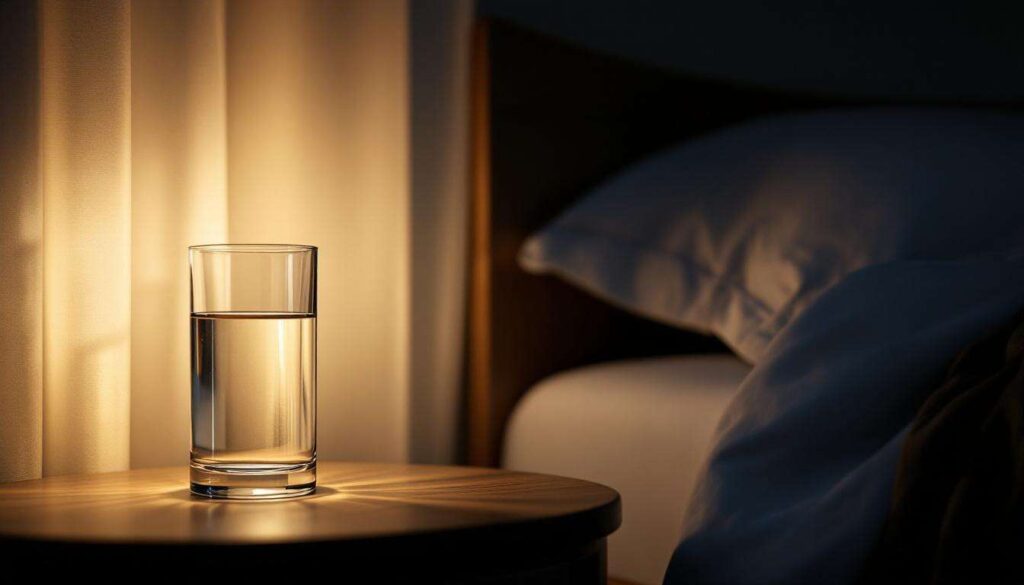
Many people who sleep in air-conditioned rooms wake up feeling parched and uncomfortable. The notion of placing a glass of water beside the bed has circulated as a simple remedy to combat morning dryness. Yet this widely shared tip raises questions about its actual effectiveness and potential drawbacks. Understanding the science behind air humidity, the risks associated with stagnant water, and expert recommendations can help create a healthier sleeping environment.
The impact of water in a glass on morning air humidity
How air conditioners affect indoor humidity levels
Air conditioning systems work by removing moisture from the air as they cool indoor spaces. This process is particularly noticeable in tropical climates where natural humidity levels can reach between 90% and 100% during daytime hours. When air conditioners operate throughout the night, they continuously extract water vapour, resulting in significantly dryer air that can affect respiratory comfort and skin hydration.
| Environment | Typical Humidity Level | Effect on Sleep Quality |
|---|---|---|
| Natural tropical climate | 90-100% | High moisture, potential discomfort |
| Air-conditioned room | 30-50% | Reduced humidity, possible dryness |
| Optimal sleeping environment | 50-60% | Balanced comfort |
The evaporation theory behind a glass of water
The principle behind placing water near the bed rests on natural evaporation. Theoretically, water molecules escape from the glass surface into the surrounding air, gradually increasing humidity levels in the immediate vicinity. However, experimental testing has revealed that a single glass contains insufficient water surface area to produce measurable changes in room humidity. The evaporation rate from such a small container proves negligible compared to the volume of air in a typical bedroom.
Practical results of the bedside water experiment
Real-world testing has demonstrated that this popular method delivers disappointing results. Key findings include:
- No noticeable improvement in perceived air moisture levels upon waking
- Minimal change in actual humidity measurements throughout the night
- Added risk of accidental spillage during sleep movements
- Potential for water contamination when left exposed for extended periods
These limitations highlight why alternative approaches may prove more beneficial for addressing nocturnal dehydration and air dryness. Beyond the ineffectiveness of this method, leaving water exposed overnight introduces additional concerns worth examining.
Health risks of stagnant water
Bacterial growth in uncovered water
Water left in an open container becomes a breeding ground for microorganisms within hours. Airborne bacteria, dust particles, and other contaminants settle on the water surface throughout the night. When consumed in the morning, this stagnant water may introduce harmful pathogens into the digestive system, potentially causing gastrointestinal discomfort or more serious infections in individuals with compromised immune systems.
Chemical contamination from environmental factors
Exposed water absorbs various substances from its surroundings, including:
- Volatile organic compounds released from furniture and fabrics
- Residual cleaning product particles suspended in the air
- Carbon dioxide that slightly acidifies the water over time
- Dust mites and their waste products
The spill hazard during sleep
Beyond contamination concerns, an open glass of water presents a practical safety issue. Unconscious movements during sleep, reaching for an alarm clock, or sudden awakenings can easily knock over the container. This creates mess, damages electronic devices, and disrupts sleep quality far more than any theoretical humidity benefit could compensate for.
Understanding these risks makes it clear why professional guidance offers more reliable solutions. Sleep specialists have developed evidence-based strategies that address the root causes of nocturnal discomfort.
Experts’ sleep recommendations
Proper daytime hydration strategies
Sleep researchers emphasise that adequate fluid intake during waking hours represents the most effective defence against morning dehydration. The body requires consistent water consumption throughout the day rather than concentrated intake before bedtime. Drinking sufficient water helps maintain cellular hydration levels that persist through the night, reducing the likelihood of waking with a dry mouth or headache.
Evening habits that affect nocturnal hydration
Certain behaviours significantly impact overnight moisture retention:
- Consuming alcohol before sleep triggers diuretic effects that accelerate fluid loss
- Caffeinated beverages in the evening similarly promote increased urination
- Mouth breathing during sleep dramatically increases moisture evaporation from oral tissues
- Spicy or salty foods consumed late can increase overnight thirst
Addressing mouth breathing issues
For individuals who breathe through their mouths whilst sleeping, nasal strips or dilators can encourage nasal breathing patterns. This simple adjustment reduces the amount of moisture lost through oral evaporation and significantly improves morning comfort. Those with chronic nasal congestion should consult healthcare professionals to address underlying causes such as allergies or structural abnormalities.
Whilst behavioural changes form the foundation of better sleep hydration, practical environmental modifications can further enhance comfort. Implementing safe methods for maintaining bedside water access addresses immediate needs without introducing unnecessary risks.
How to safely keep water near your bed
Using covered containers with secure lids
A sealed water bottle with a secure cap eliminates contamination concerns whilst providing easy access to hydration. Sports bottles with flip-top spouts or screw caps prevent spillage and keep water fresh throughout the night. Choosing containers with wide bases reduces the likelihood of tipping, and opaque materials prevent light-related degradation of water quality.
Strategic placement to minimise accident risk
Positioning water containers requires thoughtful consideration:
- Place bottles on stable nightstands rather than mattress edges
- Keep containers away from electronic devices and charging cables
- Use non-slip mats beneath bottles to prevent sliding
- Position water within easy reach but not in the path of common movements
Insulated bottles for temperature maintenance
Insulated containers offer the additional benefit of maintaining water temperature throughout the night. Cool water remains refreshing for morning consumption, whilst the sealed environment prevents condensation that could damage nearby surfaces. These containers also eliminate the need for ice cubes, which can harbour bacteria if not prepared with filtered water.
Addressing water safety represents only one aspect of creating an optimal sleep environment. The broader issue of air quality requires more comprehensive solutions that target the source of dryness.
The effect of air conditioning on air dryness
Understanding dehumidification processes
Air conditioning units extract moisture as a byproduct of cooling. Warm air passes over cold evaporator coils, causing water vapour to condense and drain away. This continuous process removes substantial quantities of moisture from indoor environments, particularly during extended operation periods. The resulting low humidity can drop below 30% in heavily air-conditioned spaces, well beneath the comfortable range for human respiration.
Balancing temperature and humidity needs
Finding the optimal balance requires adjusting air conditioning settings:
| Temperature Setting | Humidity Impact | Comfort Level |
|---|---|---|
| Below 20°C | Excessive dehumidification | Cold and dry |
| 22-24°C | Moderate moisture removal | Balanced comfort |
| Above 26°C | Minimal dehumidification | Warmer but more humid |
Alternative cooling methods
For those particularly sensitive to air conditioning dryness, alternative cooling strategies may prove beneficial. Ceiling fans circulate air without removing moisture, whilst evaporative coolers actually add humidity to the environment. Strategic use of window coverings during peak sun hours reduces heat gain, potentially decreasing reliance on air conditioning systems.
These adjustments to cooling systems work best when combined with active measures to restore and maintain optimal humidity levels in sleeping spaces.
Improving air quality and sleep comfort
Electric humidifiers as effective solutions
Purpose-built humidifiers offer the most reliable method for increasing bedroom humidity. These devices release controlled amounts of water vapour into the air, maintaining consistent moisture levels throughout the night. Modern units feature adjustable settings, built-in hygrometers, and automatic shut-off functions that prevent over-humidification. Unlike a simple glass of water, humidifiers provide measurable and sustained improvements in air quality.
Natural humidity enhancement techniques
Several non-mechanical approaches can complement humidifier use:
- Placing houseplants in the bedroom, which release moisture through transpiration
- Leaving the bathroom door open after hot showers to allow steam distribution
- Hanging damp towels in the room during particularly dry periods
- Using bowls of water near heat sources, though this requires careful monitoring
Regular maintenance for optimal air quality
Maintaining bedroom air quality requires consistent attention to cleanliness. Regular dusting removes particles that can irritate respiratory passages, whilst frequent bedding changes eliminate accumulated dust mites. Air purifiers with HEPA filters capture airborne contaminants, and opening windows during cooler hours introduces fresh outdoor air that can balance indoor conditions.
Waking up feeling refreshed depends on multiple interconnected factors rather than any single quick fix. The popular notion of placing a glass of water beside the bed fails to deliver meaningful improvements in air humidity, whilst introducing unnecessary contamination risks and spill hazards. Evidence-based approaches focus instead on maintaining proper hydration throughout the day, using covered water containers for safe overnight access, and employing humidifiers to actively manage bedroom moisture levels. Adjusting air conditioning settings to balance cooling needs with humidity preservation, combined with natural enhancement techniques and consistent air quality maintenance, creates an environment conducive to restorative sleep. These comprehensive strategies address the root causes of nocturnal discomfort far more effectively than relying on ineffective folk remedies.