



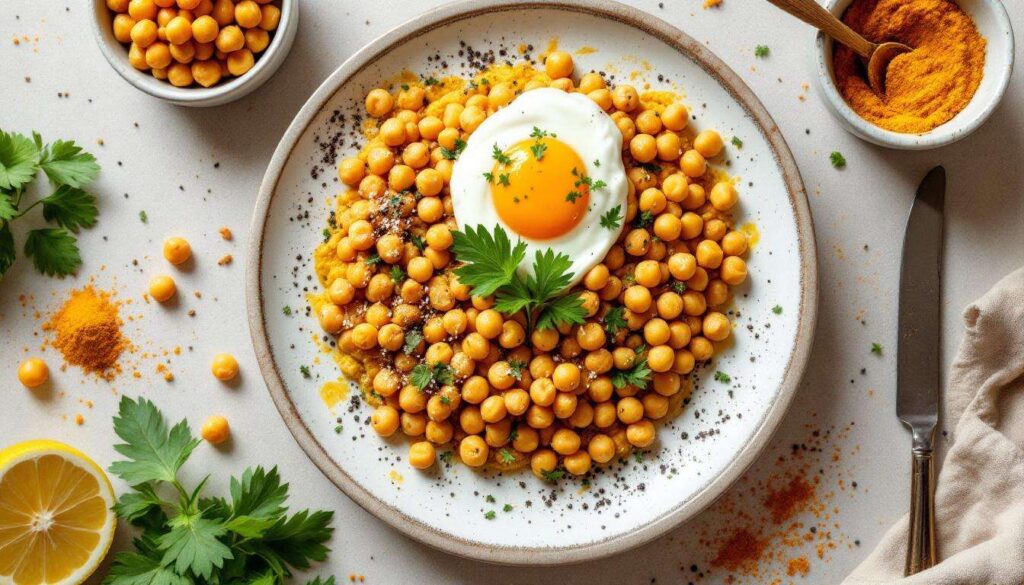
In the quest for the perfect morning meal, nutritionists and health enthusiasts have long debated the ideal combination of nutrients to kickstart the day. After months of experimentation in my kitchen, I’ve discovered a breakfast that ticks every box: anti-inflammatory properties, high protein content, and most importantly, a flavour profile that keeps me coming back for more.
This recipe emerged from a personal need to combat morning sluggishness whilst managing inflammation naturally. The result is a powerhouse breakfast that combines protein-rich ingredients with anti-inflammatory spices, creating a meal that not only nourishes but also supports overall wellbeing. The golden hue from turmeric, the warming notes of ginger, and the satisfying texture make this dish a morning ritual I genuinely look forward to.
What makes this breakfast particularly special is its versatility. Whether you’re an athlete seeking muscle recovery, someone managing chronic inflammation, or simply looking to improve your morning nutrition, this recipe delivers. The preparation is straightforward, the ingredients are accessible, and the outcome is consistently delicious.
15
25
facile
€€
Ingredients
Utensils
Preparation
1. Prepare the chickpeas
Begin by soaking your dried chickpeas overnight in plenty of cold water. This step is crucial as it softens the legumes (edible seeds from pod-bearing plants) and reduces cooking time significantly. The next morning, drain and rinse them thoroughly under cold running water. Transfer the chickpeas to a large saucepan and cover with fresh water, ensuring there’s about 5 centimetres of water above the chickpeas. Bring to a vigorous boil over high heat, then reduce to a gentle simmer. Cook for approximately 45 to 60 minutes until tender but not mushy. You’ll know they’re ready when you can easily crush one between your fingers. Drain well and set aside to cool slightly.
2. Create the anti-inflammatory spice blend
Whilst the chickpeas are cooking, prepare your spice mixture. In a small bowl, combine the turmeric powder, ground ginger, ground cumin, and smoked paprika. The turmeric is the star ingredient here, containing curcumin, a powerful anti-inflammatory compound that gives this breakfast its healing properties. Mix these spices thoroughly with a fork, ensuring no lumps remain. The aroma at this stage should be warm, earthy, and inviting. This blend not only provides health benefits but also creates a complex flavour profile that transforms simple ingredients into something extraordinary.
3. Toast the spices
Heat a large frying pan over medium heat and add two tablespoons of coconut oil. Once the oil has melted and begins to shimmer, add your spice blend. Toast the spices for approximately 60 to 90 seconds, stirring constantly with a wooden spoon. This process, known as blooming (heating spices in fat to release their essential oils), intensifies the flavours and creates a more aromatic dish. Be vigilant during this step as spices can burn quickly, which would introduce bitterness. You’ll notice the spices becoming fragrant and slightly darker in colour.
4. Combine chickpeas with spices
Add the cooked, drained chickpeas to the pan with the toasted spices. Toss everything together, ensuring each chickpea is coated in the golden spice mixture. Cook for 3 to 4 minutes, stirring occasionally, allowing the chickpeas to absorb the flavours and develop a slightly crispy exterior. Add the garlic powder, sea salt, and black pepper at this stage. The chickpeas should take on a beautiful golden colour from the turmeric. Remove from heat and transfer to a large mixing bowl.
5. Prepare the tahini dressing
In a separate bowl, whisk together the tahini, lemon juice, and 4 tablespoons of warm water. The mixture will initially seize and become thick, which is perfectly normal. Continue whisking vigorously, and it will gradually transform into a smooth, creamy dressing. Add the nutritional yeast, which provides a umami (savoury, deeply satisfying taste) flavour and additional B vitamins. Season with a pinch of salt. The consistency should be pourable but not watery. If it’s too thick, add water one tablespoon at a time until you achieve the desired texture.
6. Assemble the protein bowl
Divide the spiced chickpeas amongst four serving bowls. Drizzle generously with the tahini dressing, ensuring each portion receives an equal amount. Sprinkle the hemp seeds and chia seeds over the top. These seeds are nutritional powerhouses, providing omega-3 fatty acids and complete protein. The hemp seeds add a subtle nutty flavour whilst the chia seeds provide textural interest. Finish with a scattering of dried parsley for a touch of colour and freshness. Add an extra drizzle of coconut oil if desired for additional healthy fats.
7. Final touches
Before serving, give each bowl a final grind of black pepper and a light sprinkle of sea salt if needed. The dish should be served warm but not piping hot, allowing all the flavours to meld together beautifully. The combination of creamy tahini, earthy spices, and protein-rich legumes creates a breakfast that’s both comforting and energising. Each spoonful delivers a perfect balance of textures and flavours that will sustain you throughout the morning.

Chef’s tip
To maximise the anti-inflammatory benefits, prepare the spice blend in larger quantities and store it in an airtight container. This allows you to recreate this breakfast quickly on busy mornings. Additionally, cooking chickpeas in bulk and freezing them in portion-sized containers means you can have this meal ready in under 15 minutes. For an extra protein boost, consider adding a tablespoon of plant-based protein powder to the tahini dressing. The nutritional yeast can be substituted with grated hard cheese if you’re not following a plant-based diet, though this will reduce the anti-inflammatory properties slightly. Always use fresh spices where possible, as their potency diminishes over time, particularly with turmeric and ginger.
Morning beverage pairing
This protein-rich breakfast pairs exceptionally well with a golden turmeric latte or a simple green tea. The turmeric latte complements the anti-inflammatory theme of the dish, whilst green tea provides gentle caffeine and additional antioxidants without overwhelming the delicate spice notes. Alternatively, a glass of freshly squeezed orange juice (or bottled if fresh isn’t available) adds vitamin C, which enhances the absorption of iron from the chickpeas.
For those preferring a warming option, a ginger and lemon infusion works beautifully, echoing the flavours in the breakfast whilst aiding digestion. Avoid overly acidic beverages like strong black coffee immediately with this meal, as they may interfere with nutrient absorption.
Extra tip
The concept of anti-inflammatory eating has gained significant traction in nutritional science over the past decade. Chronic inflammation has been linked to numerous health conditions, from arthritis to cardiovascular disease, making dietary choices increasingly important for preventative health.
Chickpeas, the foundation of this recipe, have been cultivated for over 7,000 years, originating in the Middle East. They’re one of the earliest cultivated legumes and remain a staple in Mediterranean and Asian cuisines. Their high protein content (approximately 19 grammes per 100 grammes when cooked) makes them an excellent plant-based protein source.
Turmeric, the golden spice that gives this breakfast its distinctive colour, has been used in Ayurvedic medicine for thousands of years. Modern research has validated many traditional claims, with studies showing curcumin’s potential to reduce inflammation markers in the body. The addition of black pepper in this recipe isn’t merely for flavour; it contains piperine (a compound that enhances curcumin absorption by up to 2,000 per cent).
Hemp seeds, though relatively new to Western mainstream cuisine, have been consumed for millennia in Asia. They’re one of the few plant sources providing all nine essential amino acids, making them a complete protein. This breakfast delivers approximately 25 to 30 grammes of protein per serving, meeting nearly half of the average daily requirement.