



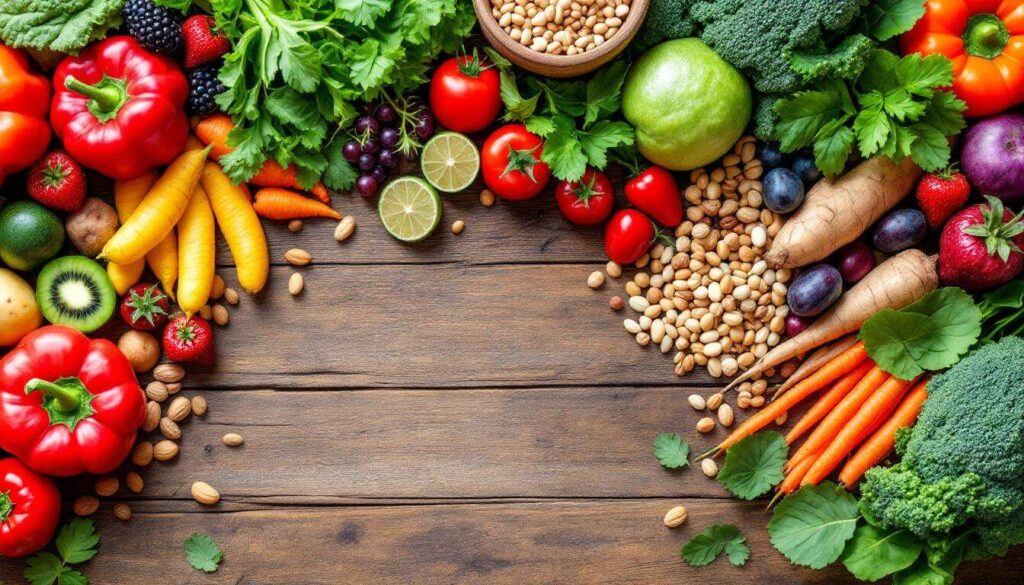
Professor Tim Spector, one of Britain’s leading epidemiologists and nutrition researchers, has sparked a revolution in dietary thinking with a surprisingly simple recommendation: consume 30 different plant-based foods each week. This advice, backed by extensive microbiome research, challenges conventional dietary wisdom and offers a practical pathway to better gut health. The concept centres on feeding the trillions of bacteria residing in our digestive system, which play a crucial role in everything from immunity to mental wellbeing. Rather than focusing on restrictive eating patterns or eliminating food groups, Spector’s approach celebrates abundance and variety, making it both scientifically sound and refreshingly accessible for everyday implementation.
The importance of dietary diversity for the microbiome
Understanding the gut microbiome ecosystem
The human gut harbours approximately 100 trillion microorganisms, collectively known as the microbiome. This complex ecosystem comprises bacteria, fungi, viruses and other microscopic life forms that work symbiotically with our bodies. Diversity within this community is paramount, as different bacterial species perform distinct functions ranging from vitamin synthesis to immune system regulation. Research conducted by Spector and his team at King’s College London has demonstrated that individuals with more diverse gut bacteria tend to exhibit better overall health outcomes, including lower rates of obesity, diabetes and inflammatory conditions.
The link between plant variety and bacterial diversity
Each plant species contains unique compounds, including specific types of fibre, polyphenols and phytochemicals. When we consume a wide array of plants, we essentially provide different ‘foods’ for different bacterial species. Monotonous diets lead to monotonous microbiomes, whilst varied plant consumption encourages a thriving, diverse bacterial community. Studies have shown that people who eat fewer than ten different plant types weekly have significantly less diverse gut bacteria compared to those consuming 30 or more varieties.
| Plant intake per week | Average microbiome diversity score | Health markers |
|---|---|---|
| Fewer than 10 plants | Low (baseline) | Higher inflammation markers |
| 10-20 plants | Moderate | Improved digestion |
| 30+ plants | High | Optimal gut health, lower disease risk |
This foundational understanding of microbiome diversity naturally raises questions about the specific threshold Spector recommends and the science behind that particular number.
Why 30 plants per week ?
The research behind the magic number
The figure of 30 plants weekly isn’t arbitrary. It emerged from the American Gut Project, the largest citizen science microbiome study ever conducted, which analysed samples from over 10,000 participants across 45 countries. Researchers discovered a clear correlation: participants consuming 30 or more different plant types per week had significantly more diverse gut microbiomes than those eating ten or fewer varieties. This threshold appeared to represent a tipping point where the benefits to bacterial diversity became particularly pronounced.
What counts as a plant ?
Spector’s definition of ‘plants’ is refreshingly broad and includes:
- Vegetables of all types, including leafy greens, roots and cruciferous varieties
- Fruits, both fresh and dried
- Wholegrains such as oats, quinoa, brown rice and barley
- Legumes including lentils, chickpeas, beans and peas
- Nuts and seeds
- Herbs and spices, which count individually
Each distinct variety counts separately, so red peppers and yellow peppers would count as two different plants. This generous counting system makes the target far more achievable than it initially appears. A single mixed salad might contain eight to ten different plants, whilst a curry with various spices could contribute another five or six towards the weekly total.
The dose-response relationship
Whilst 30 represents an optimal target, any increase in plant diversity offers benefits. Moving from ten to 20 different plants weekly will improve gut health, even if the full 30 isn’t reached immediately. The relationship between plant diversity and microbiome health follows a dose-response pattern, meaning that every additional plant variety contributes positively to the bacterial ecosystem.
Beyond the numerical target itself, the mechanism through which these plants exert their beneficial effects deserves closer examination, particularly regarding their fibre content.
The little-known benefits of dietary fibre
Fibre as microbial fuel
Dietary fibre, which humans cannot digest, serves as the primary food source for beneficial gut bacteria. When bacteria ferment fibre, they produce short-chain fatty acids (SCFAs), particularly butyrate, acetate and propionate. These compounds are remarkably powerful: butyrate provides energy for intestinal cells, reduces inflammation, strengthens the gut barrier and may even protect against colorectal cancer. Different plant fibres feed different bacterial species, which explains why variety matters as much as quantity.
Beyond digestive health
The benefits of adequate fibre intake extend far beyond the digestive tract:
- Metabolic health: fibre slows glucose absorption, helping to stabilise blood sugar levels and reduce diabetes risk
- Cardiovascular protection: soluble fibre binds to cholesterol, facilitating its excretion and lowering heart disease risk
- Weight management: high-fibre foods increase satiety and reduce overall calorie intake
- Mental wellbeing: the gut-brain axis means that gut bacteria influence mood and cognitive function through neurotransmitter production
- Immune function: approximately 70 per cent of immune cells reside in the gut, where they interact closely with the microbiome
The fibre gap in modern diets
Most people in the UK consume only 18 grams of fibre daily, well below the recommended 30 grams. This deficiency has profound implications for gut health and overall wellbeing. Processed foods, which dominate modern diets, typically contain minimal fibre compared to whole plant foods. Increasing plant diversity naturally addresses this shortfall, as varied plant consumption inevitably increases total fibre intake whilst providing different fibre types that support various bacterial species.
Understanding these mechanisms becomes even more compelling when considering the credentials and research background of the expert championing this approach.
Tim Spector: who is the nutrition expert ?
Academic credentials and research contributions
Professor Tim Spector is a professor of genetic epidemiology at King’s College London, where he has spent over three decades researching the interactions between genetics, nutrition and health. He founded and directs the TwinsUK registry, Britain’s largest registry of twins used for genetic and epidemiological research. His work has fundamentally shifted scientific understanding of how diet influences health, moving away from simplistic calorie-counting towards a more nuanced appreciation of food quality and microbiome health.
The ZOE project and personalised nutrition
Spector co-founded ZOE, a nutrition science company that analyses individual responses to food using microbiome testing, blood sugar monitoring and blood fat analysis. This research has revealed that people respond differently to identical foods, challenging the notion of universal dietary advice. The ZOE COVID Study, which tracked symptoms in millions of participants during the pandemic, became the world’s largest public science project and demonstrated Spector’s ability to translate complex science into actionable public health guidance.
Publications and public engagement
Spector has authored several bestselling books, including Spoon-Fed and The Diet Myth, which challenge nutritional orthodoxies and present evidence-based alternatives. His accessible writing style and regular media appearances have made complex microbiome science understandable to general audiences, contributing significantly to public awareness of gut health’s importance.
With this expert guidance established, the practical question remains: how can ordinary people realistically incorporate 30 different plants into their weekly routine ?
How to integrate 30 plants into your diet
Strategic meal planning approaches
Batch cooking with variety represents one of the most efficient strategies. Preparing a large pot of vegetable soup or stew can easily incorporate ten to 15 different plants in one go, providing several meals throughout the week. Similarly, grain bowls or Buddha bowls allow for creative combinations of grains, legumes, vegetables, nuts and seeds, potentially contributing eight to twelve plants in a single meal.
Simple swaps and additions
Achieving the 30-plant target doesn’t require completely overhauling your diet. Consider these practical modifications:
- Add mixed seeds to breakfast porridge or yoghurt (flaxseeds, chia seeds, pumpkin seeds, sunflower seeds count as four plants)
- Use herbs generously: parsley, coriander, basil, mint and dill each count separately
- Choose mixed salad leaves rather than single varieties
- Incorporate spices into cooking: turmeric, cumin, coriander, paprika and cinnamon all contribute to the total
- Snack on mixed nuts rather than single types
- Add legumes to soups, stews and salads
- Experiment with different wholegrains: quinoa, buckwheat, millet and bulgur wheat alongside familiar options
Weekly tracking systems
Keeping a simple tally helps maintain awareness without becoming obsessive. Many people find that photographing meals or maintaining a basic list on their phone provides sufficient tracking. After several weeks, diverse plant consumption typically becomes habitual, requiring less conscious effort. The goal is sustainable habit formation rather than perfect adherence every single week.
The theoretical benefits and practical strategies gain additional credibility when examined alongside real-world experiences and measurable outcomes.
Testimonials and tangible results
Documented health improvements
Participants in the ZOE programme and followers of Spector’s advice have reported numerous benefits. Digestive improvements typically manifest first, with reduced bloating, more regular bowel movements and decreased gastrointestinal discomfort appearing within two to four weeks. Energy levels often increase as gut bacteria produce more B vitamins and improve nutrient absorption. Many individuals report better sleep quality, which research suggests may relate to the gut microbiome’s influence on serotonin production.
Long-term metabolic changes
Studies tracking individuals who substantially increased their plant diversity show measurable improvements in various health markers:
| Health marker | Average improvement after 12 weeks |
|---|---|
| Microbiome diversity score | 25-40% increase |
| Inflammatory markers (CRP) | 15-20% reduction |
| Blood sugar stability | Reduced post-meal spikes by 10-15% |
| LDL cholesterol | 5-10% reduction |
Practical sustainability
Perhaps most importantly, people find this approach sustainable and enjoyable. Unlike restrictive diets that eliminate entire food groups, the 30-plants framework encourages experimentation and culinary creativity. The focus on addition rather than subtraction makes it psychologically easier to maintain long-term, which ultimately determines whether any dietary approach succeeds or fails.
Tim Spector’s recommendation to consume 30 different plants weekly represents a paradigm shift in nutritional thinking, moving from reductionist calorie-counting towards a holistic appreciation of dietary diversity and gut health. The approach is grounded in robust scientific research, particularly the American Gut Project’s findings on microbiome diversity. By feeding varied beneficial bacteria through diverse plant consumption, individuals can support not only digestive health but also immune function, metabolic health and even mental wellbeing. The target, whilst ambitious, proves achievable through strategic meal planning, generous use of herbs and spices, and simple dietary additions. Spector’s credentials as a leading epidemiologist and his accessible communication style have brought microbiome science into mainstream consciousness, empowering people to make informed dietary choices. The tangible results reported by those following this guidance, combined with measurable improvements in health markers, validate the approach’s effectiveness. Ultimately, the 30-plants recommendation offers a positive, flexible framework that celebrates food abundance rather than restriction, making it both scientifically sound and practically sustainable for long-term implementation.